
Kratom Comparisons
How kratom is commonly compared to coffee, tea, kava, CBD, and other substances.
Kratom is frequently compared to other plants and supplements — especially coffee, which belongs to the same botanical family. This hub provides balanced comparisons that help readers understand similarities and differences.
Why coffee comes up in every conversation
Kratom and coffee are genuinely related: both are in the Rubiaceae family. That fact is accurate, it is repeated constantly, and it carries much less weight than the frequency of its repetition suggests.
Botanical relation is not pharmacological similarity. Caffeine is a xanthine; mitragynine is an indole alkaloid that interacts with opioid receptors. Sharing a plant family says roughly as much about how two species behave as sharing a surname says about two people. The comparison is a useful hook for explaining where the plant sits taxonomically, and it should not be carried any further than that.
What a comparison can and cannot settle
Comparisons are analogies. They are genuinely useful for orientation — if you know what kava or matcha is, a structured comparison gives you somewhere to stand when reading about something unfamiliar. What they cannot do is establish equivalence, and they cannot support the inference that most readers arrive wanting to make, which is whether one thing can stand in for another.
The substances compared across this hub differ in mechanism, in how thoroughly they have been studied, in risk profile, and in regulatory standing. Coffee and tea are ordinary foods in Canada. Kratom is not authorised for consumption here at all. A side-by-side table flattens that distinction, so it is worth restating whenever these comparisons come up.
How we write them
Each comparison separates what is reasonably well documented from what rests on self-reported accounts. Where evidence is thin, we say so rather than filling the gap with confident phrasing, which means some of these articles are less satisfying than the versions you will find elsewhere.
We also avoid framing any comparison as a substitution recommendation. Whether one substance is an appropriate alternative to another, for a particular person, is a clinical question that depends on their history and medications — not something a general-audience comparison article is in a position to answer.
Guides in This Hub
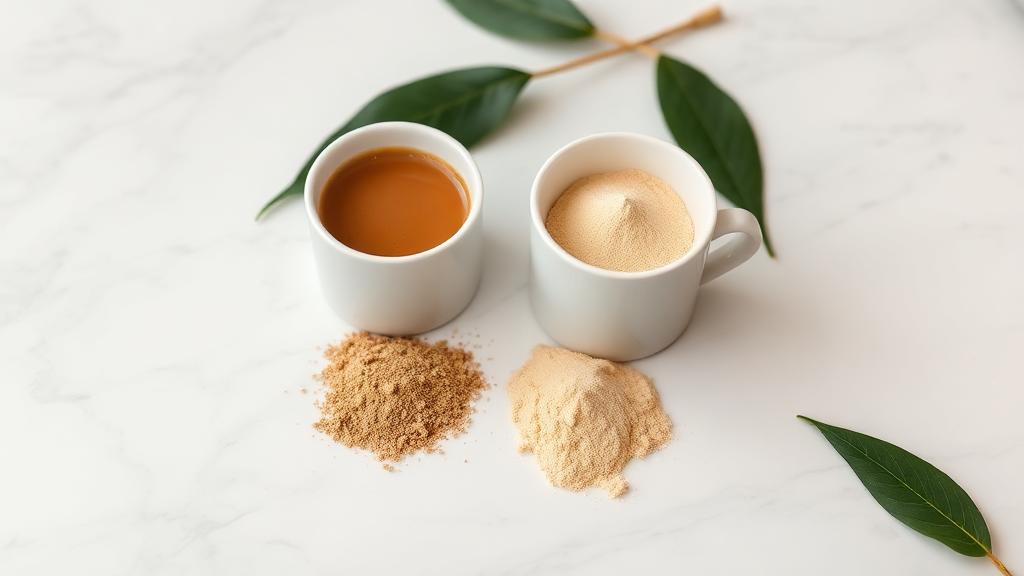
Kratom vs Coffee: A Balanced Comparison
An educational comparison of kratom and coffee — two plants from the same botanical family with very different profiles.
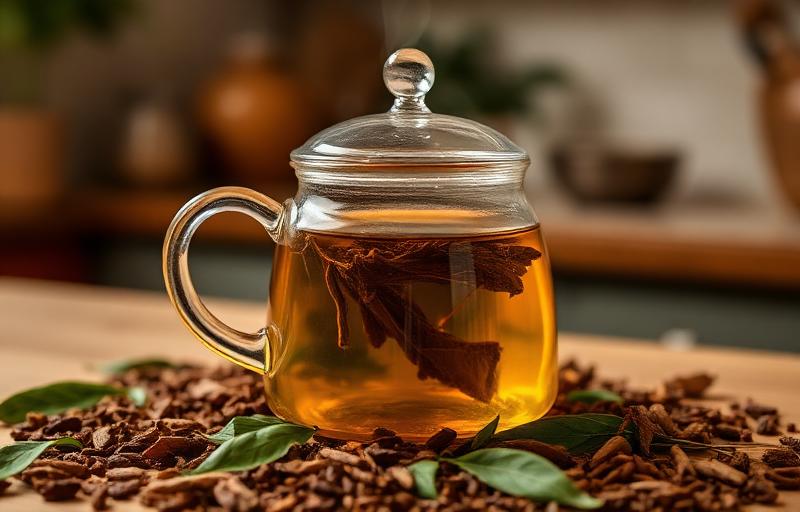
Kratom vs Tea: An Educational Comparison
How kratom and traditional tea compare as botanical beverages.
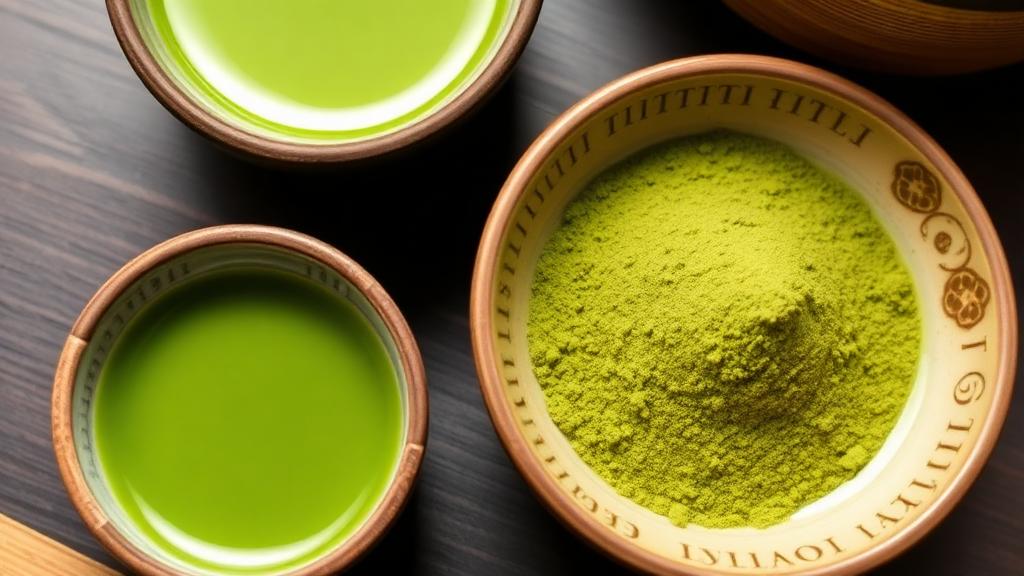
Kratom vs Matcha
Comparing kratom and matcha as botanical products.

Kratom vs Energy Drinks
Comparing kratom with energy drinks from an educational standpoint.
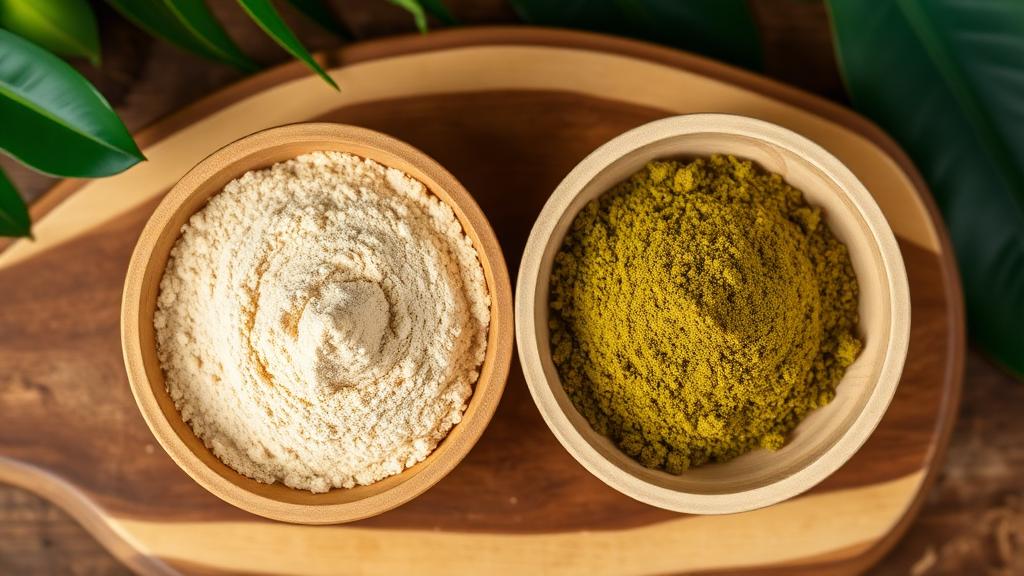
Kratom vs Akuamma
Comparing kratom with akuamma seeds — another tropical botanical.
Frequently Asked Questions
Get New Kratom Guides & Safety Updates
Join readers who stay informed with our educational content. No spam — just clear, cautious kratom education.
Free Kratom Beginner Checklist included with signup.