Kratom Basics
Foundational knowledge about what kratom is, where it comes from, and key terminology.
Kratom (Mitragyna speciosa) is a tropical tree native to Southeast Asia. Its leaves have been used traditionally for centuries, and interest in kratom has grown significantly in North America. This hub covers the foundational topics you need to understand what kratom is, where it comes from, and the terminology you'll encounter.
The plant itself
Kratom is the common name for Mitragyna speciosa, an evergreen tree in the Rubiaceae family — the same family as coffee. It grows natively in the humid lowlands of Thailand, Malaysia, Indonesia, Myanmar and Papua New Guinea, where mature trees can reach well over twenty metres. What reaches consumers is almost always the leaf: harvested, dried, and milled to a fine powder.
Traditional use in Southeast Asia is well documented and long predates the North American market. Labourers chewed fresh leaves or brewed them into a bitter tea. That history is often invoked in marketing, but it is worth keeping in mind that chewing a fresh leaf and swallowing concentrated milled powder or an extract are not the same act, and the traditional record says little about the products sold today.
The alkaloids people argue about
Researchers have identified dozens of alkaloids in the leaf. Two dominate the discussion: mitragynine, which is by far the most abundant, and 7-hydroxymitragynine, which is present in far smaller quantities but is pharmacologically more active. Both interact with opioid receptors, which is the central reason regulators treat kratom cautiously rather than as an ordinary botanical.
The single most important thing to understand as a reader is that alkaloid content is not standardised. It varies with the age of the tree, growing conditions, when the leaf was picked, how it was dried, and how long it has been sitting. Two bags carrying identical labels from different suppliers — or from the same supplier in different months — can differ substantially. Any source that discusses kratom as though it were a consistent, uniform substance is glossing over this.
Why the vocabulary is so slippery
Terms like strain, vein colour, extract, enhanced and premium have no regulated definitions in Canada. Nobody audits them. A vendor can apply any of these words to any product without meeting a standard, because no standard exists to meet.
This has a practical consequence: the name on the package is a branding decision, not a specification. Where a product description and a published lab report disagree, the lab report is the only part carrying evidence — and as our vendor reviews found, most Canadian sellers do not publish one at all.
Where Canada actually stands
Kratom is not a controlled substance under the Controlled Drugs and Substances Act. It is also not authorised by Health Canada for human consumption: it holds no Drug Identification Number or Natural Product Number, and it cannot legally be sold as a food or natural health product intended to be ingested. This is why Canadian listings so often carry not for human consumption labelling — that phrase is a compliance device, not a description of how the product is used.
Health Canada has issued advisories and recalls concerning kratom products. The legality hub covers this in more detail, and because the regulatory position can change, anything you read here should be checked against Health Canada directly before you act on it.
Guides in This Hub
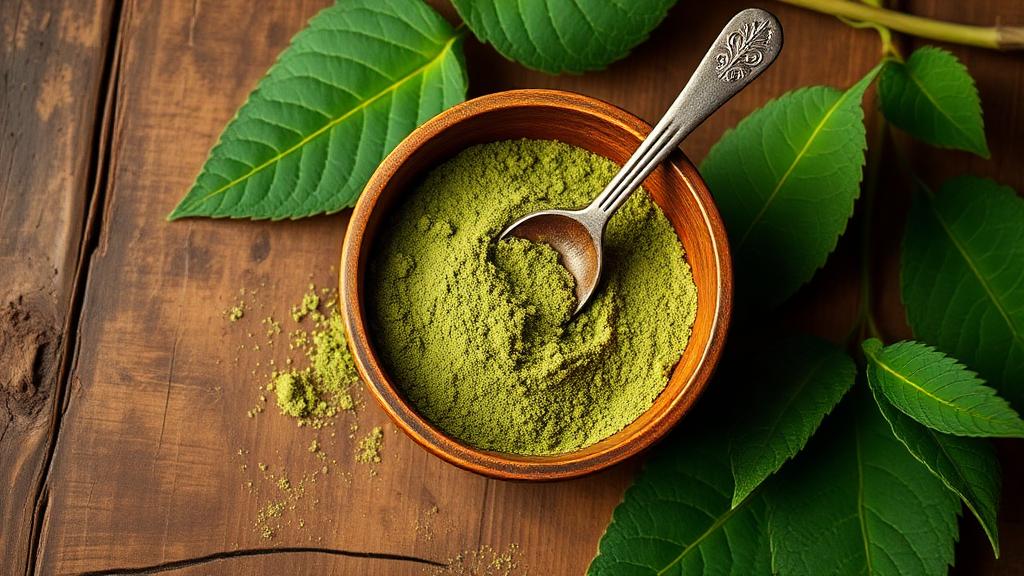
What Is Kratom? A Beginner-Friendly Guide
A clear introduction to kratom — what it is, where it comes from, and what you should know.
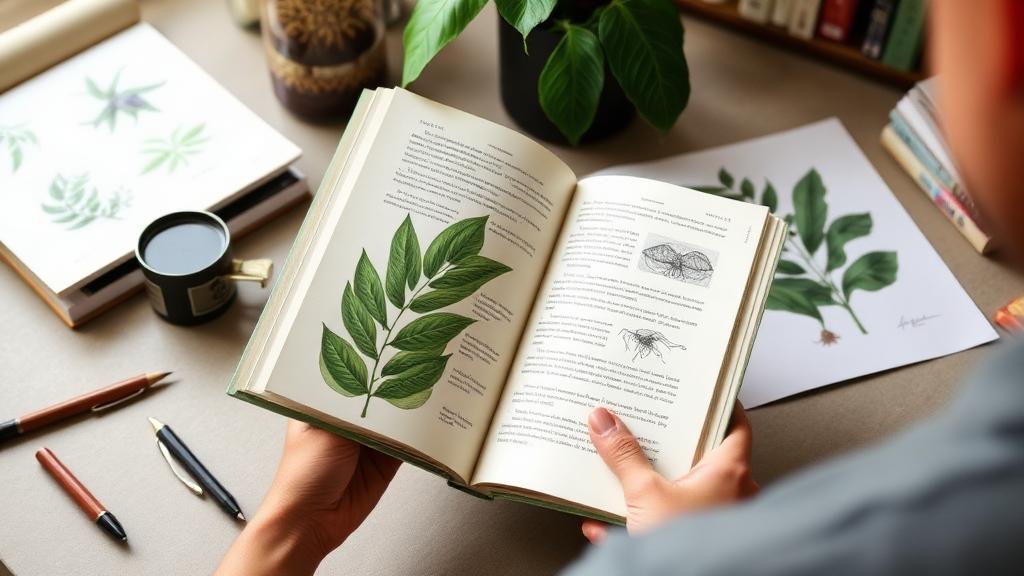
Kratom for Beginners: What to Know Before You Start
Essential information for anyone new to learning about kratom.

Mitragynine vs 7-Hydroxymitragynine Explained
A simplified look at kratom's two most-discussed alkaloids.
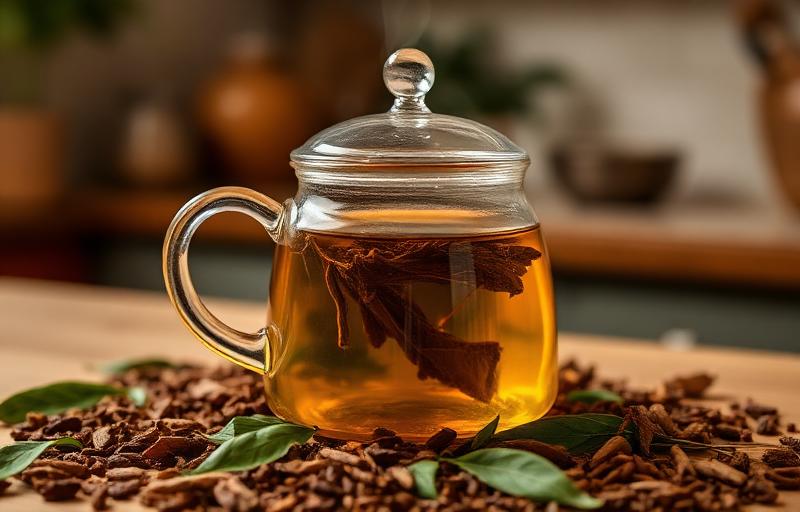
Kratom and Sleep: What Users Report
How kratom use is commonly discussed in relation to sleep quality.
Does Kratom Show Up on Drug Tests?
What is generally known about kratom and standard drug testing.
Frequently Asked Questions
Get New Kratom Guides & Safety Updates
Join readers who stay informed with our educational content. No spam — just clear, cautious kratom education.
Free Kratom Beginner Checklist included with signup.