
Kratom and Sleep: What Users Report
How kratom use is commonly discussed in relation to sleep quality.
Disclaimer: This content is educational only — not medical or legal advice. Always speak with a qualified healthcare professional before using kratom or any herbal product. Laws may vary by jurisdiction.
Key Takeaways
- This content is educational — not medical advice
- Individual experiences with kratom vary
- Laws and regulations may vary by region
Kratom and Sleep: What Users Report
What the receptor data says. Obeng and colleagues measured both alkaloids against the human mu-opioid receptor and reported markedly different behaviour: mitragynine bound weakly (Ki 709 nM) and acted as an antagonist in their assay, while 7-hydroxymitragynine bound roughly nine times more tightly (Ki 77.9 nM) and acted as a partial agonist, reaching 41.3% of maximal effect. The work combined in-vitro receptor assays with behavioural experiments in rats, so it describes receptor pharmacology rather than outcomes in people.
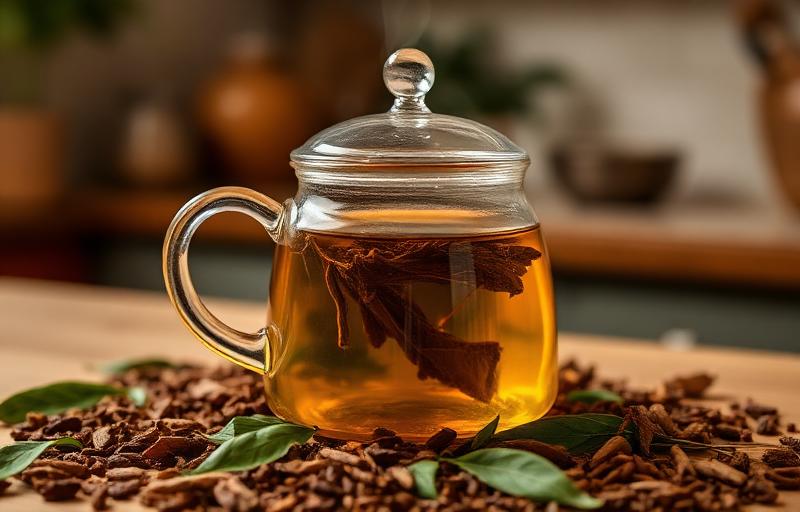
The relationship between kratom and sleep is complex and often debated. While some people who use kratom report improvements in sleep quality, others experience sleep disturbances. This article explores what kratom users report about the effects of kratom on their sleep patterns, drawing from anecdotal evidence and available research, with a focus on the experience of Canadian kratom enthusiasts. It is important to note that experiences with kratom can vary significantly from person to person.
Understanding Kratom: Mitragyna Speciosa
Kratom, scientifically known as Mitragyna speciosa, is a tropical evergreen tree in the coffee family native to Southeast Asia. For centuries, people in Southeast Asia have traditionally used kratom leaves for their reported stimulant and analgesic effects. The leaves contain various alkaloids, including mitragynine and 7-hydroxymitragynine, which are believed to interact with opioid receptors and other receptor systems in the brain. The effects of kratom are reportedly dose-dependent; lower doses are often associated with stimulant effects, while higher doses may produce more sedative or analgesic effects. It is important to note that kratom is not approved by Health Canada and its sale is not permitted for ingestion.
How Kratom Acts: A Complex Interaction
Kratom acts on various receptors in the brain, influencing multiple neurotransmitter systems. Mitragynine, the most abundant alkaloid in kratom, is a partial opioid receptor agonist. This means it binds to opioid receptors, but not as strongly as traditional opioids. This interaction is believed to contribute to the reported analgesic and mood-enhancing effects of kratom.
Additionally, kratom alkaloids can interact with other receptors, including adrenergic, serotonergic, and dopaminergic receptors. These interactions may contribute to the diverse range of effects reported by kratom users, including changes in energy levels, mood, and sleep. The complex interplay of these interactions makes it challenging to predict how kratom will affect an individual's sleep.
Kratom Use and Sleep Problems: User Experiences
Experiences with kratom and sleep are highly individual. Some kratom users report that kratom helps them fall asleep faster and stay asleep longer, while others experience insomnia or disrupted sleep. Several factors can influence how kratom affects sleep, including the dose, strain, individual physiology, and pre-existing sleep problems.
Some users report improvements in sleep duration and sleep quality, particularly those who use kratom for chronic pain management. They find that kratom reduces their pain, allowing them to sleep more comfortably. However, others find that the stimulating effects of kratom, especially at lower doses, make it difficult to fall asleep.
According to community discussions, the strain of kratom may also play a role. Some users find that red vein strains are more sedating, while white and green vein strains are more stimulating. However, this is not always the case, and individual responses can vary.
Kratom for Pain and Sleep Problems
Chronic pain is a common condition that can significantly disrupt sleep. Many people who use kratom do so to manage chronic pain. For these individuals, the analgesic effects of kratom may indirectly improve sleep quality by reducing pain and discomfort. Some kratom users report that kratom allows them to reduce or eliminate their reliance on traditional pain medications, which can have their own side effects on sleep.
However, it is essential to consider the potential for tolerance and dependence with regular kratom use. Over time, the body may adapt to the effects of kratom, requiring higher doses to achieve the same level of pain relief. This can lead to a cycle of increasing kratom use, which may eventually contribute to sleep problems.
Sleep Problems During Kratom Use
While some users report improvements in sleep, others experience sleep problems during kratom use. These problems can include insomnia, restless sleep, and frequent awakenings. Several factors may contribute to these sleep disturbances.
* Stimulating Effects: Kratom, especially at lower doses, can have stimulating effects that make it difficult to fall asleep. * Anxiety: Some users experience anxiety or restlessness after taking kratom, which can interfere with sleep. * Tolerance and Dependence: Regular kratom use can lead to tolerance and dependence, which may disrupt sleep patterns. * Withdrawal Symptoms: Kratom withdrawal can cause a range of symptoms, including insomnia, anxiety, and muscle aches, which can significantly impair sleep.
Kratom Withdrawal and Sleep Disturbances
Kratom withdrawal can be a challenging experience, and sleep disturbances are a common symptom. Kratom withdrawal symptoms can include insomnia, anxiety, restlessness, muscle aches, and flu-like symptoms. These symptoms can make it very difficult to fall asleep and stay asleep.
The severity of kratom withdrawal symptoms can vary depending on the duration and intensity of kratom use, as well as individual factors. People who have been using kratom for a long time or at high doses are more likely to experience more severe withdrawal symptoms.
Managing kratom withdrawal typically involves gradually reducing the dose of kratom over time to minimize withdrawal symptoms. It is essential to consult with a healthcare professional for guidance on safely tapering off kratom.
Kratom Addiction and Sleep
While kratom is often touted as a natural alternative to opioids, it is important to recognize that it can be addictive. Regular kratom use can lead to physical and psychological dependence. People who are addicted to kratom may experience strong cravings and withdrawal symptoms when they try to stop using it.
Addiction can significantly disrupt sleep patterns. The cycle of kratom use and withdrawal can lead to chronic insomnia, anxiety, and depression, all of which can further impair sleep.
Taking Kratom Responsibly: Minimizing Sleep Disruptions
If you choose to use kratom, it is essential to do so responsibly to minimize the risk of sleep disruptions. Here are some tips:
- Start with a low dose and gradually increase it as needed.
- Avoid using kratom close to bedtime.
- Choose strains that are known for their sedating effects.
- Be mindful of your individual response to kratom and adjust your dose accordingly.
- Avoid regular kratom use to prevent tolerance and dependence.
- If you experience sleep problems, consider reducing your kratom dose or taking a break from kratom use.
- Consult with a healthcare professional if you have concerns about kratom use and sleep.
The Effects of Kratom: A Summary
The effects of kratom on sleep are complex and vary from person to person. While some users report improvements in sleep quality, others experience sleep disturbances. Several factors can influence how kratom affects sleep, including the dose, strain, individual physiology, and pre-existing sleep problems.
It is essential to use kratom responsibly and be mindful of the potential for tolerance, dependence, and withdrawal. If you experience sleep problems during kratom use, consider reducing your dose or taking a break from kratom. Consult with a healthcare professional if you have concerns about kratom use and sleep.
Kratom in Canada: Legal Considerations
It's crucial for Canadian residents to understand the legal landscape surrounding kratom. Currently, kratom is not approved for sale for human consumption by Health Canada. This means that while it may be possible to find kratom products sold for research purposes, purchasing and using them for their intended effects is a gray area. The legal status can change, so it’s vital to stay informed about any updates or regulations regarding Mitragyna speciosa in Canada. Learn more about kratom legality in Canada
Frequently Asked Questions
Will kratom mess with your sleep?
Kratom's effects on sleep are highly variable. Some people who use kratom report improved sleep, while others experience insomnia or disrupted sleep. The impact depends on factors like dosage, strain, individual physiology, and timing of kratom use. If you are experiencing sleep problems, you might want to reduce the amount of kratom that you take, or pause kratom use altogether.
What drugs should you not mix with kratom?
It's crucial to avoid mixing kratom with other substances that can depress the central nervous system, such as alcohol, opioids, benzodiazepines, and certain antihistamines. Combining kratom with these substances can increase the risk of respiratory depression, sedation, and other adverse effects. Consult with a healthcare professional before using kratom if you are taking any medications.
When does kratom peak?
The effects of kratom typically peak within 1 to 2 hours after ingestion. However, the onset and duration of effects can vary depending on factors such as the dose, strain, and individual metabolism.
What does kratom deplete in the body?
There is limited scientific evidence on the specific nutrients or substances that kratom may deplete in the body. However, some users report experiencing dehydration and constipation, suggesting that kratom may affect fluid balance and digestive function.
Does kratom cause insomnia?
Yes, kratom may cause insomnia in some individuals, especially if taken in higher doses or close to bedtime. The stimulating effects of certain kratom strains can interfere with sleep.
Does kratom affect REM sleep?
There is limited research on the effects of kratom on REM sleep. However, some users report that kratom can disrupt their sleep architecture, potentially affecting REM sleep.
Does kratom reduce sleep quality?
Kratom may reduce sleep quality in some users, particularly those who experience insomnia, restless sleep, or frequent awakenings. However, other users report improvements in sleep quality due to kratom's analgesic and relaxing effects.
Summary
The relationship between kratom and sleep is multifaceted and individual. While some people who use kratom report improvements in sleep, others experience sleep disturbances. Factors such as dosage, strain, individual physiology, and pre-existing sleep problems can all influence how kratom affects sleep. Responsible use, awareness of potential risks, and consultation with healthcare professionals are essential for navigating the complexities of kratom and sleep. It is important to remember that more research is needed to fully understand the long-term effects of kratom on sleep.
Sources
- Obeng S, Wilkerson JL, León F, et al. "Pharmacological Comparison of Mitragynine and 7-Hydroxymitragynine: In Vitro Affinity and Efficacy for μ-Opioid Receptor and Opioid-Like Behavioral Effects in Rats", Journal of Pharmacology and Experimental Therapeutics, 376(3), 2021 — full text
Retrieved 23 September 2026.
More questions
Chad Samson is a Canadian writer who covers the kratom marketplace in Canada — tracking vendors, current pricing, published lab testing, and Health Canada policy. He maintains the vendor comparison data on this site and reviews every guide before it's published.
Written and reviewed against our editorial policy.
Get New Kratom Guides & Safety Updates
Join readers who stay informed with our educational content. No spam — just clear, cautious kratom education.
Free Kratom Beginner Checklist included with signup.
Related Guides
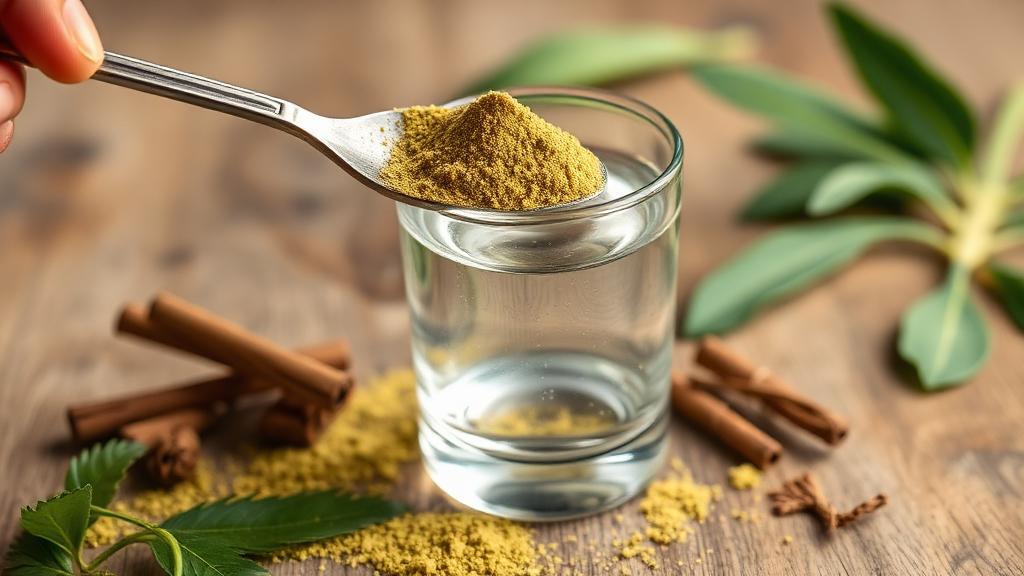
Different Ways People Commonly Take Kratom
An educational overview of the most common ways people consume kratom — from powder to capsules to tea.
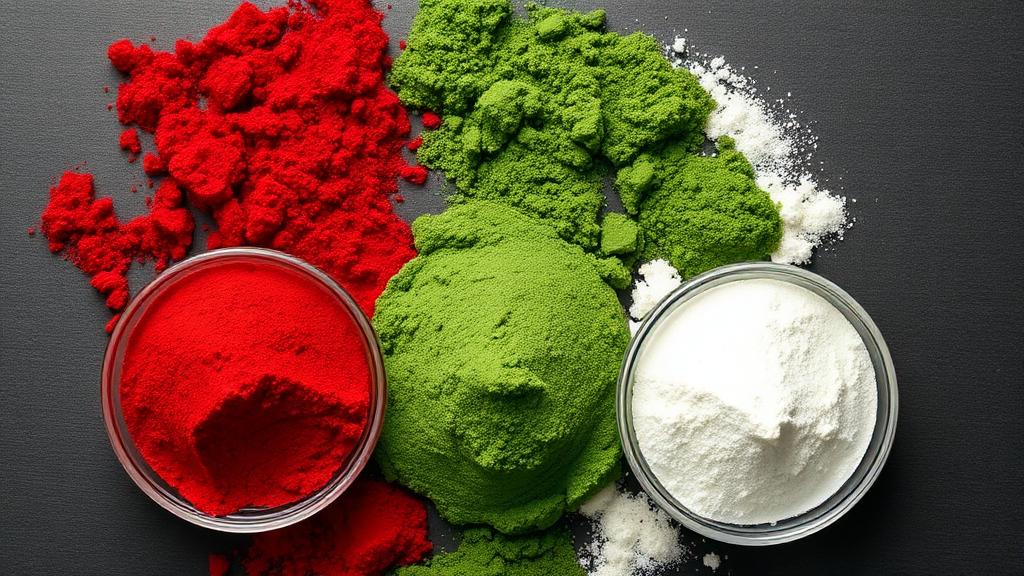
Red vs Green vs White Vein Kratom: What These Labels Mean
A balanced look at what red, green, and white vein kratom labels refer to and why to approach these categories critically.