Different Ways People Commonly Take Kratom
An educational overview of the most common ways people consume kratom — from powder to capsules to tea.
Disclaimer: This content is educational only — not medical or legal advice. Always speak with a qualified healthcare professional before using kratom or any herbal product. Laws may vary by jurisdiction.
Key Takeaways
- This content is educational — not medical advice
- Individual experiences with kratom vary
- Laws and regulations may vary by region
Kratom, derived from the Mitragyna speciosa tree native to Southeast Asia, has gained attention in Canada and worldwide for its potential effects. For those exploring kratom use, understanding the various methods of consumption is crucial. This article aims to provide a comprehensive overview of the common ways people take kratom, offering insights into the different forms, dosages, and considerations for responsible kratom use. It is important to remember that research on kratom is ongoing, and individual experiences can vary significantly. Always consult with a healthcare professional before incorporating any new substance into your routine. This information is for educational purposes only and is not a substitute for professional medical advice.
Understanding Kratom
Kratom leaves have been used for centuries in Southeast Asia for their reported stimulating and analgesic properties. The plant contains various alkaloids, primarily mitragynine and 7-hydroxymitragynine, which are believed to interact with receptors in the brain. These interactions are reportedly responsible for the effects of kratom, which some users describe as ranging from increased energy and focus to pain relief and relaxation.
The legal status of kratom in Canada is complex. It is not explicitly illegal at the federal level, but its sale and distribution are unregulated. Some municipalities may have their own regulations regarding kratom. It is the responsibility of the consumer to be aware of the local laws before purchasing or using kratom.
Different Forms of Kratom
Before exploring the various methods of kratom use, it's important to understand the different forms in which kratom is available:
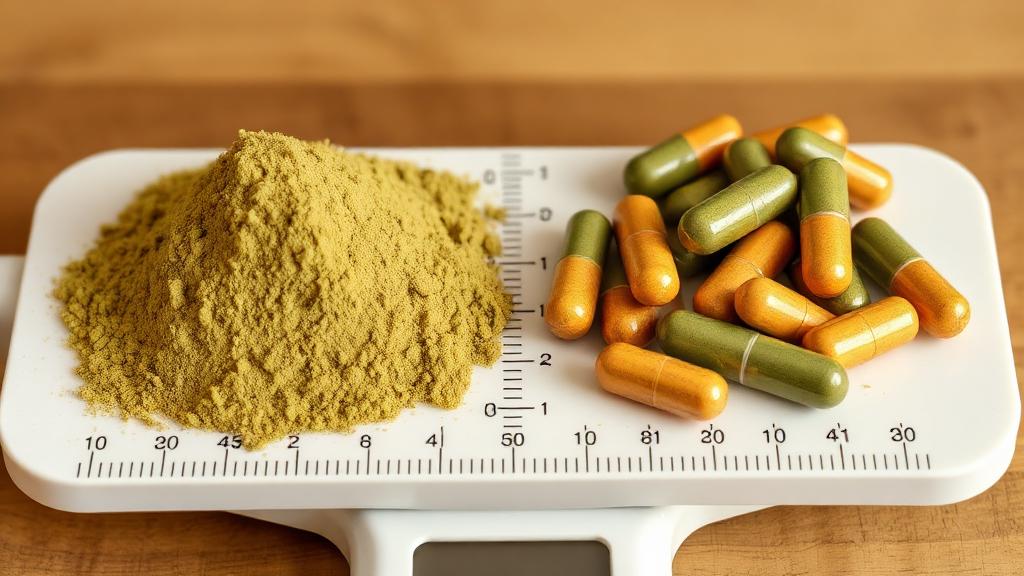
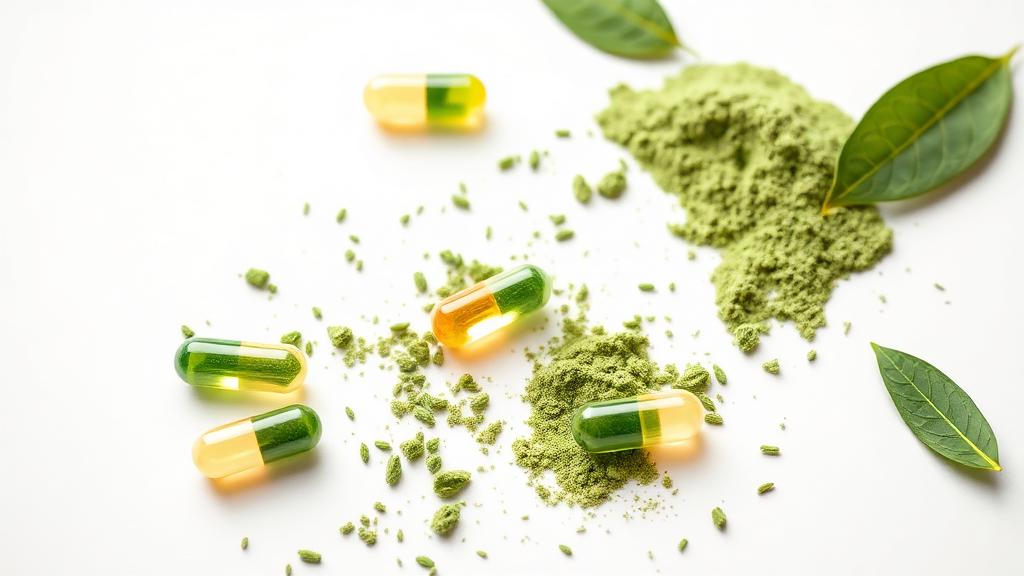
* Powder: This is perhaps the most common form of kratom. It consists of finely ground kratom leaves and can be mixed into beverages or consumed directly. * Capsules: Kratom capsules contain pre-measured doses of kratom powder, offering a convenient and discreet way to take kratom. * Extracts: Kratom extract is a concentrated form of kratom, typically available in liquid or powder form. It is generally more potent than regular kratom powder. * Tea: Kratom tea is made by steeping kratom leaves or powder in hot water. This is a traditional method of kratom consumption.
Common Methods to Take Kratom
Toss and Wash
The "toss and wash" method involves placing a measured amount of kratom powder directly into the mouth and then washing it down with water or another beverage. This method is known for its quick onset of effects, but it can be challenging for some due to the bitter taste of kratom.
How to:
- Measure the desired dose of kratom powder.
- Place the powder on your tongue.
- Immediately wash it down with a generous amount of liquid.
- Swish the liquid around in your mouth to ensure all the powder is swallowed.
Mixing with Beverages
A popular method is to mix kratom powder with beverages like juice, smoothies, or chocolate milk to mask the bitter taste. This method allows for easier consumption and can be more palatable for those sensitive to the taste of kratom.
How to:
- Measure the desired dose of kratom powder.
- Mix the powder thoroughly with your chosen beverage.
- Consume the mixture immediately.
Kratom Tea
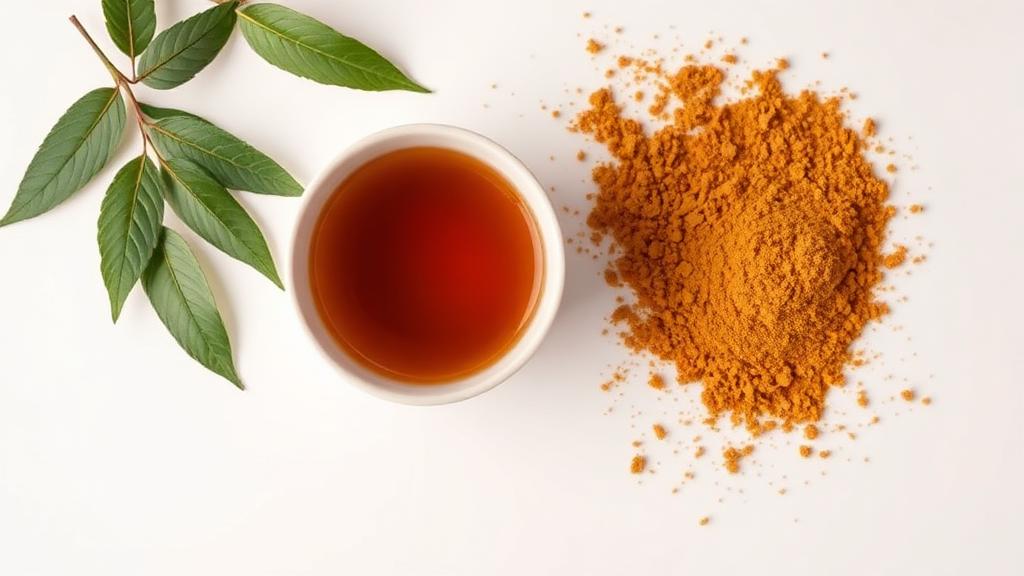
Brewing kratom tea is a traditional method of consumption. It involves steeping kratom leaves or powder in hot water to extract the alkaloids. Some users find this method to be gentler on the stomach compared to other methods.
How to:
- Bring water to a near boil.
- Add the desired dose of kratom powder or crushed kratom leaves to the hot water.
- Simmer for 15-30 minutes, stirring occasionally.
- Strain the mixture to remove any plant material.
- Add lemon juice or other flavorings to improve the taste.
- Drink the tea slowly.
Kratom Capsules
Kratom capsules offer a convenient and discreet way to take kratom. They contain pre-measured doses of kratom powder, eliminating the need for measuring and masking the taste.
How to:
- Determine the desired dose based on the capsule strength.
- Swallow the capsules with water.
- Allow sufficient time for the capsules to dissolve and the kratom to be absorbed.
Kratom Extract Consumption
Kratom extract is a concentrated form of kratom and should be used with caution due to its higher potency. It is available in liquid or powder form and can be taken directly or mixed with beverages. Due to the increased potency of kratom extract, it is important to start with a very small dose to assess tolerance.
How to:
- Carefully measure the recommended dose of kratom extract.
- Consume the extract directly or mix it with a beverage.
- Monitor the effects closely and adjust the dose accordingly in subsequent uses.
Factors Influencing Kratom Use
Several factors can influence how kratom affects individuals, including:
* Dosage: The dose of kratom plays a significant role in its effects. Lower doses are reportedly stimulating, while higher doses are said to be more sedating. * Strain: Different strains of kratom, such as Maeng Da, Bali, and Borneo, are believed to have different effects due to variations in their alkaloid profiles. * Individual Sensitivity: Individual sensitivity to kratom can vary depending on factors such as body weight, metabolism, and tolerance. * Frequency of Use: Regular kratom users may develop a tolerance, requiring higher doses to achieve the same effects.
Potential Effects of Kratom
The effects of kratom can vary depending on the dose, strain, and individual sensitivity. Some users report experiencing:
* Increased energy and focus * Pain relief * Mood elevation * Relaxation and sedation
It's important to note that these effects are based on anecdotal reports and user experiences. More research is needed to fully understand the pharmacology and toxicology of kratom and its potential benefits and risks.
Kratom Use and Potential Risks
While some individuals report positive experiences with kratom, it's crucial to be aware of the potential risks associated with kratom use. According to community discussions, regular kratom use can lead to dependence and withdrawal symptoms upon cessation. These withdrawal symptoms can include:
* Muscle aches * Insomnia * Irritability * Anxiety * Runny nose * Sweating
The severity of withdrawal symptoms can vary depending on the duration and intensity of kratom use. If you are considering discontinuing kratom use, it is advisable to do so gradually and under the guidance of a healthcare professional.
Furthermore, there have been reports of adverse events associated with kratom exposure, including liver problems and respiratory depression, particularly when kratom is combined with other substances. It is crucial to avoid combining kratom with alcohol, opioids, or other central nervous system depressants. The Food and Drug Administration (FDA) has issued warnings about the potential risks of kratom use.
Kratom and Opioid Considerations
Some individuals explore the use of kratom as a potential alternative to opioids for pain management or to manage opioid withdrawal symptoms. Kratom alkaloids, such as mitragynine, reportedly interact with opioid receptors in the brain, leading to analgesic effects. However, it's essential to understand that kratom is not a substitute for medical treatment and should not be used as a replacement for prescribed medications without consulting a healthcare professional.
The use of kratom to manage opioid withdrawal symptoms is a complex and controversial topic. While some people who use kratom report success in alleviating withdrawal symptoms, others may experience adverse effects. It's crucial to approach this with caution and under the guidance of a healthcare professional experienced in addiction treatment. It's also important to remember that kratom itself can lead to dependence, and switching from opioids to kratom may not be a sustainable long-term solution.
Learn more about Kratom Strains here
Responsible Kratom Use
If you choose to take kratom, it's crucial to do so responsibly. Here are some guidelines to consider:
* Start with a low dose: Begin with a low dose to assess your sensitivity to kratom. * Use kratom in moderation: Avoid regular, long-term use to minimize the risk of dependence and withdrawal symptoms. * Avoid combining kratom with other substances: Do not mix kratom with alcohol, opioids, or other central nervous system depressants. * Purchase kratom from reputable sources: Ensure that you are buying kratom from a trusted vendor that provides lab-tested products. * Be aware of the legal status of kratom in your area: Understand the laws and regulations regarding kratom in your municipality and province. * Consult with a healthcare professional: Discuss your kratom use with a healthcare professional, especially if you have any underlying health conditions or are taking medications.
Kratom and Substance Use Disorder
The potential for dependence and withdrawal associated with kratom raises concerns about its role in substance use disorder. While kratom may offer some benefits for certain individuals, it's crucial to recognize that it is not a risk-free substance. Regular kratom users should be aware of the signs of dependence and seek help if they are struggling to control their kratom use.
If you are concerned about your kratom use or suspect that you may have a substance use disorder, it's important to seek professional help. Addiction treatment options are available in Canada, including therapy, support groups, and medication-assisted treatment. The Canadian Centre on Substance Use and Addiction (CCSA) offers resources and information on substance use and addiction.
Kratom and Canadian Regulations
As mentioned earlier, the legal status of kratom in Canada is not explicitly defined at the federal level. This lack of regulation raises concerns about product quality and safety. Consumers should exercise caution when purchasing kratom and choose vendors that provide lab-tested products to ensure purity and potency.
Some municipalities in Canada may have their own regulations regarding kratom. For example, some cities may prohibit the sale of kratom for human consumption. It's essential to be aware of the local laws and regulations in your area before purchasing or using kratom.
Take Kratom: Final Thoughts
Kratom is a complex substance with a range of potential effects and risks. While some individuals report positive experiences with kratom, it's crucial to approach its use with caution and responsibility. Understanding the different methods of consumption, potential effects, and risks associated with kratom is essential for making informed decisions about its use. Always consult with a healthcare professional before incorporating kratom into your routine. Remember that kratom is not a substitute for medical treatment and should not be used as a replacement for prescribed medications without professional guidance. The information provided in this article is for educational purposes only and is not a substitute for professional medical advice.
Frequently Asked Questions
How is kratom traditionally consumed?
Traditionally, people in Southeast Asia have chewed fresh kratom leaves. However, outside of its native region, kratom is more commonly consumed as a powder, in capsules, or brewed as a tea. The method of consumption can affect the onset and duration of its reported effects.
What to expect taking kratom for the first time?
For those trying kratom for the first time, it's recommended to start with a very low dose. Some users report feeling increased energy and focus at lower doses, while others report a sense of relaxation. It's important to pay attention to how your body reacts and adjust the dose accordingly in subsequent uses. Individual experiences can vary significantly.
What should not be taken with kratom?
It is generally advised not to combine kratom with alcohol, opioids, or other central nervous system depressants. These combinations can increase the risk of adverse effects, including respiratory depression. Always consult with a healthcare professional before taking kratom, especially if you are already taking medications.
Does kratom get you buzzed?
The effects of kratom can vary depending on the dose, strain, and individual sensitivity. Some users report feeling a sense of euphoria or well-being, while others describe the effects as more subtle. It's important to understand that kratom is not a recreational drug and should not be used for the sole purpose of getting "buzzed."
Summary
This article explored the various ways people commonly take kratom, including the toss and wash method, mixing with beverages, brewing kratom tea, using kratom capsules, and consuming kratom extract. It also discussed factors influencing kratom use, potential effects, associated risks, considerations for responsible use, and the legal landscape in Canada. The information presented here is for educational purposes only and should not be considered medical advice. Always consult with a healthcare professional before using kratom.
Frequently Asked Questions
Chad Samson
Chad Samson is a Canadian writer who covers the kratom marketplace in Canada — tracking vendors, current pricing, published lab testing, and Health Canada policy. He maintains the vendor comparison data on this site and reviews every guide before it's published.
Reviewed for clarity and educational accuracy.
Get New Kratom Guides & Safety Updates
Join readers who stay informed with our educational content. No spam — just clear, cautious kratom education.
Free Kratom Beginner Checklist included with signup.