
Strains & Vein Colors
Understanding red, green, and white vein kratom, popular strain names, and what the labels mean.
Kratom products are commonly categorized by vein color (red, green, white) and strain names (Maeng Da, Bali, Borneo). These labels are widely used, though there is ongoing debate about how meaningful these distinctions truly are. This hub explores what these terms refer to and why it's important to approach strain-based claims critically.
What vein colour actually describes
Red, green and white refer to the colour of the vein and stem of the leaf at the point of harvest, which broadly tracks leaf maturity. That much is straightforward. What happens afterwards is less so: drying method, light exposure during curing and in some cases fermentation all alter the finished product, and these steps are neither standardised nor usually disclosed.
The widely repeated mapping — red for relaxation, white for stimulation, green as a middle ground — comes from community convention and vendor marketing rather than from controlled research. It may reflect something real about how the plant is processed, or it may be a folk taxonomy that persists because it helps organise a catalogue. The honest position is that the claim is not established, and we will not present it as if it were.
Strain names are mostly branding
Maeng Da is the clearest example. The phrase is Thai slang, translating roughly as pimp grade, and it entered use as a marketing superlative. It does not denote a cultivar, a growing region, or any verifiable property of the leaf, and no body certifies its use.
Geographic names deserve similar scepticism. Bali, Borneo, Malay and Thai frequently reference historical trade routes or the general region of the supply chain rather than confirmed present-day provenance. Names like Gold, Bentuangie, Horned and Elephant variously reference processing, leaf shape or nothing in particular. None of these labels is audited by anyone.
What this means when you are comparing products
Taken together, the name on the bag carries very little information about what is in it. Two products sharing a strain name may come from different countries, different harvests and different processing methods, with no way for a buyer to tell from the listing.
A published certificate of analysis carries real information; a strain name does not. That is why our vendor reviews weigh published lab results heavily — it is the one part of a product listing with evidence behind it. Where a vendor uses names consistently within their own catalogue and backs them with batch testing, the names become useful as internal references, but they still do not transfer meaningfully between sellers.
Guides in This Hub
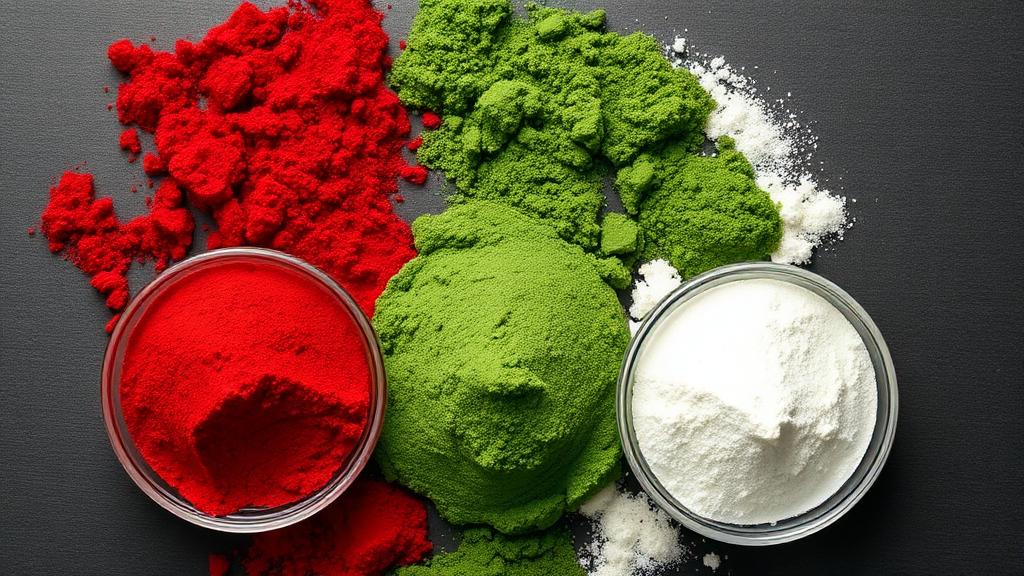
Red vs Green vs White Vein Kratom: What These Labels Mean
A balanced look at what red, green, and white vein kratom labels refer to and why to approach these categories critically.
Thai Kratom Explained
Understanding the Thai kratom label and its origins.
Are Kratom Strains Real or Marketing?
A critical look at whether kratom strain names reflect real differences.

Red Bali Kratom: What to Know
A detailed look at Red Bali kratom — one of the most popular products on the market.
Green Thai Kratom Overview
What Green Thai kratom is and its place in the green vein lineup.
Green Indo Kratom Guide
Understanding Green Indo kratom products and their market positioning.
Red Malay Kratom Explained
Understanding Red Malay kratom — a red vein variety from Malaysia that is frequently discussed in kratom communities for its distinctive reported characteristics.
Frequently Asked Questions
Get New Kratom Guides & Safety Updates
Join readers who stay informed with our educational content. No spam — just clear, cautious kratom education.
Free Kratom Beginner Checklist included with signup.