Are Kratom Strains Real or Marketing?
A critical look at whether kratom strain names reflect real differences.
Disclaimer: This content is educational only — not medical or legal advice. Always speak with a qualified healthcare professional before using kratom or any herbal product. Laws may vary by jurisdiction.
Key Takeaways
- This content is educational — not medical advice
- Individual experiences with kratom vary
- Laws and regulations may vary by region
Are Kratom Strains Real or Marketing?
Kratom, derived from the Mitragyna speciosa tree, has gained popularity among Canadians seeking alternative wellness solutions. But as you delve into the world of kratom product offerings, you'll inevitably encounter a bewildering array of kratom strain names – Maeng Da, Bali, Borneo, and more. This raises a fundamental question: are these kratom strains genuine variations with distinct effects, or is it largely marketing hype? Understanding the truth is crucial for kratom users in Canada to make informed choices. This article aims to cut through the noise and provide a balanced perspective, examining the science, the sourcing, and the anecdotal evidence surrounding kratom strains.
Understanding the Kratom Leaf
At its core, kratom's effects stem from the complex blend of kratom alkaloids present in the kratom leaf. Mitragynine and 7-hydroxymitragynine are the two most prominent alkaloids, but dozens of others contribute to the overall experience. The concentration of these alkaloids, and their relative ratios, are what primarily determine how kratom affects an individual. Factors influencing alkaloid content include the maturity of the leaf at harvest, the growing conditions, and the drying and curing processes.
It's important to understand that Mitragyna speciosa is a plant, and like any plant, its chemical composition can vary. Just as different varieties of apples have different sugar and acid levels, different kratom trees, and even different leaves from the same tree, can possess slightly different alkaloid profiles. This difference in alkaloid content is a key factor in understanding the perceived differences between various "strains."
What Exactly is a Kratom Strain?
The term "kratom strain" is somewhat misleading. In the botanical sense, a strain refers to a genetically distinct variety of a plant. However, the kratom industry uses the term more loosely. The strain name often refers to the geographic origin of the kratom leaf (e.g., Borneo, Sumatra, Thai) or a specific characteristic of the leaf (e.g., Maeng Da, which translates to "pimp grade").
It's important to recognize that the strain name doesn't necessarily indicate a unique genetic lineage. Instead, it's often a shorthand way of describing the expected effects of kratom product based on its perceived alkaloid profile. For example, a kratom vendor might label a kratom product as "Red Bali" because it's sourced from Bali and is believed to have a higher concentration of alkaloids associated with relaxation.
Examining the Psychoactive Differences
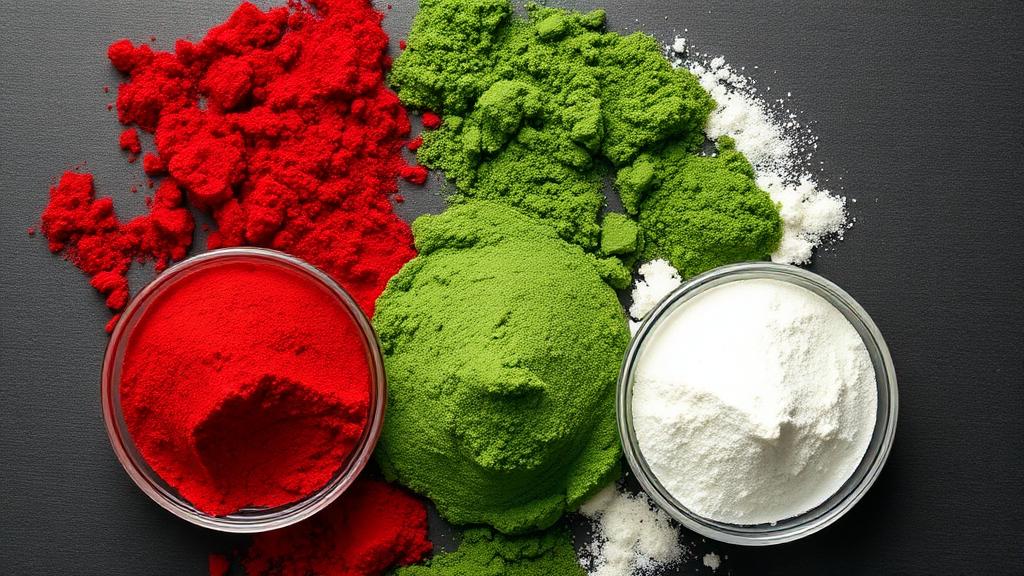
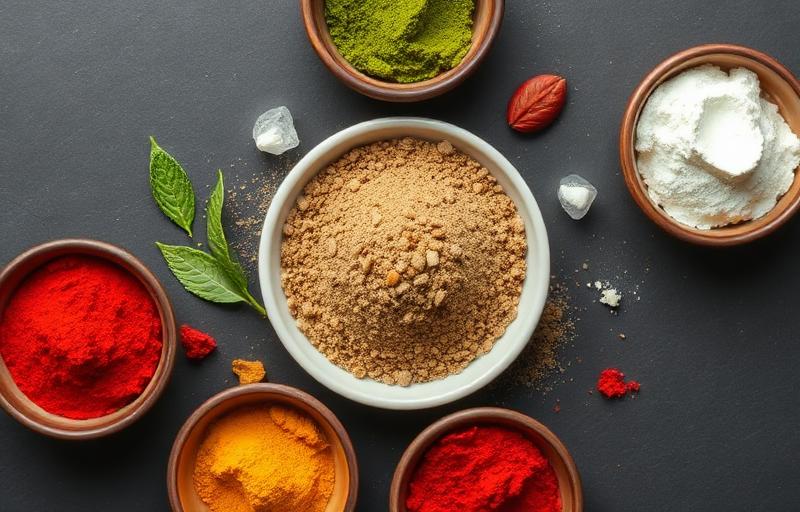
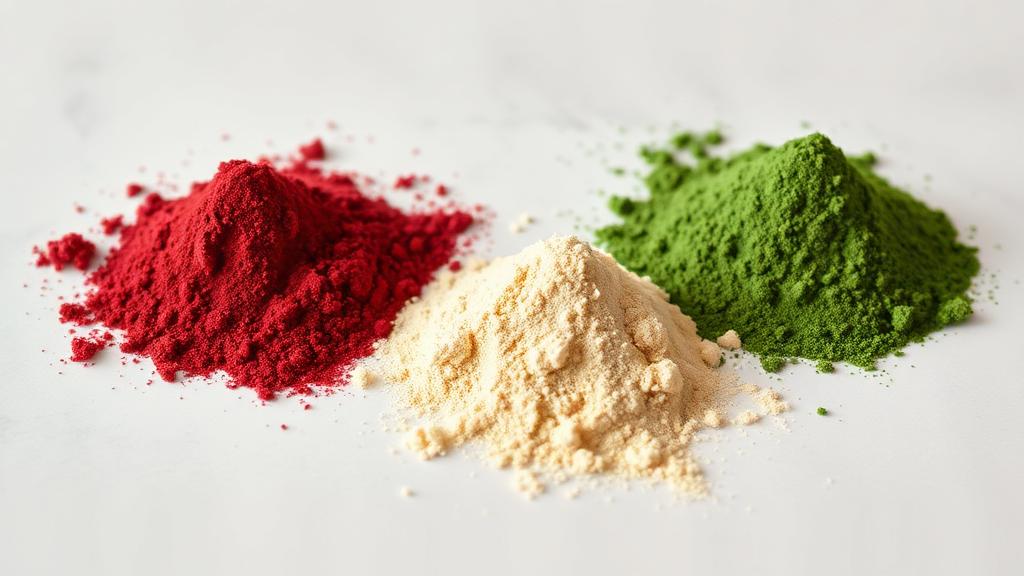
The perceived differences between kratom strains are largely based on anecdotal reports from kratom users and the experiences shared within online kratom communities. These reports suggest that certain strains are more energizing (e.g., white kratom), while others are more relaxing (e.g., red strains). Green kratom is often described as a balanced option, offering both energy and relaxation.
However, it's crucial to approach these claims with a degree of skepticism. While differences between kratom certainly exist, they are often subtle and can be influenced by individual factors such as dosage, tolerance, and body chemistry. The placebo effect can also play a significant role, with users experiencing the effects they expect based on the strain name. Examining the psychoactive differences requires a nuanced perspective, acknowledging both the potential for genuine variation and the influence of subjective factors.
Red Kratom: Relaxation and Pain Relief?
Red strains are generally associated with relaxation, pain relief, and sedation. Red vein kratom gets its color from the drying process, which involves exposing the leaves to sunlight or UV light. This process is believed to alter the alkaloid profile, increasing the concentration of alkaloids associated with calming effects.
Common red strains include Red Bali, Red Borneo, Red Maeng Da, and Red Thai. Many kratom users use kratom of the red variety in the evenings or before bed to promote relaxation and improve sleep quality. However, it's important to note that the effects of red strains can vary depending on the individual and the specific product.
White Kratom: Energy and Focus?
White strains are typically associated with energy, focus, and mood enhancement. White vein kratom is often dried indoors without any light, which is believed to preserve alkaloids associated with stimulating effects. White kratom users often report increased alertness and motivation.
Popular white strains include White Maeng Da, White Borneo, and White Thai. White strains are often favored by those seeking a coffee alternative or a boost in productivity. However, it's crucial to start with a low dose of white kratom, as some users may experience anxiety or jitters.
Green Kratom: A Balanced Approach?
Green strains are often described as a middle ground between red and white strains, offering a balance of energy and relaxation. Green kratom is typically dried in a shaded environment, which is believed to result in a more balanced alkaloid profile.
Common green strains include Green Maeng Da, Green Malay, and Green Borneo. Green strains are often favored by those seeking a versatile kratom option that can be used throughout the day. Many kratom users use kratom of the green variety for social situations or to enhance creativity.
The Role of the Kratom Vendor
The kratom vendor plays a crucial role in the quality and consistency of kratom products. A reputable kratom vendor will source their kratom from trusted suppliers, conduct thorough lab testing to verify alkaloid content and purity, and provide detailed information about the origin and processing of their products.
Unfortunately, not all kratom vendors are created equal. Some vendors may mislabel their products or make unsubstantiated claims about the effects of different strains. It's essential to do your research and choose a kratom vendor with a proven track record of quality and transparency. Read our guide on finding reputable kratom vendors.
The Influence of Soil and Growing Conditions
The soil and growing conditions can significantly impact the alkaloid content of the kratom leaf. Kratom trees grown in nutrient-rich soil and optimal climate conditions are more likely to produce leaves with a higher concentration of desired alkaloids.
The region of origin can also play a role. For example, kratom grown in Indonesia may have a different alkaloid profile than kratom grown in Thailand or Borneo due to variations in soil composition and climate. These nuances contribute to the subtle differences that kratom users report when trying different strains.
Are Kratom Strains Just Marketing?
While the term "kratom strain" may be somewhat of a marketing term, the differences between kratom are more than just hype. There are real differences between different kratom products stemming from the alkaloid profile of the kratom leaf. The degree to which these differences are noticeable will vary from person to person.
A savvy kratom user understands the nuances of kratom sourcing, processing, and individual variation, and uses this knowledge to make informed choices. While strain names can be a useful guide, it's essential to focus on the overall quality and consistency of the kratom product rather than relying solely on the strain name.
Kratom Trees: Location, Location, Location
The location where a kratom tree is grown significantly influences its alkaloid composition. Factors such as soil composition, climate, and even altitude can affect the levels of Mitragynine and other key alkaloids in the leaves. This is why kratom sourced from different regions, such as Indonesia, Thailand, or Malaysia, may exhibit distinct characteristics.
For instance, some believe that the unique soil composition in certain parts of Indonesia contributes to the potency of kratom grown there. Similarly, the climate in Thailand, with its distinct wet and dry seasons, may influence the alkaloid profile of Thai kratom. These regional variations are a crucial factor in understanding the nuances of different kratom "strains."
The Importance of Alkaloid Testing
To truly understand the differences between kratom products, alkaloid testing is essential. Reputable vendors should provide lab reports that detail the levels of Mitragynine and other key alkaloids in their kratom. This information allows kratom users to make more informed choices based on the actual chemical composition of the product, rather than relying solely on strain names or anecdotal reports.
Unfortunately, not all kratom vendors conduct thorough alkaloid testing. Some may only test for the presence of Mitragynine, while others may not test at all. It's crucial to choose a vendor that prioritizes transparency and provides comprehensive lab reports. Learn more about kratom quality and testing.
Navigating the Canadian Kratom Landscape
The legal status of kratom in Canada is somewhat ambiguous. While kratom is not explicitly illegal, it is not approved for human consumption. This means that kratom products are often sold as "research chemicals" or "botanical specimens." This regulatory uncertainty can make it challenging for Canadian kratom users to access high-quality, lab-tested kratom products.
However, there are still reputable kratom vendors that serve the Canadian market. These vendors typically operate online and ship their products from outside of Canada. It's essential to do your research and choose a vendor that complies with all applicable regulations and prioritizes product quality and safety.
Frequently Asked Questions
Are kratom strains real?
The term "strain" as applied to kratom can be misleading. While there are real differences between kratom products due to variations in alkaloid content, these differences are often subtle and influenced by factors such as growing conditions, processing methods, and individual user characteristics. The "strain name" is more of a marketing tool to indicate the perceived effects.
What drugs should you not mix with kratom?
It is not safe to mix kratom with other substances. Combining kratom with alcohol, opioids, benzodiazepines, or other central nervous system depressants can increase the risk of adverse effects, including respiratory depression and overdose. Consult with a healthcare professional before using kratom, especially if you are taking any medications.
How strong is kratom compared to opioids?
Kratom and opioids interact with similar receptors in the brain, but kratom's effects are generally considered to be milder than those of opioids. However, kratom can still produce opioid-like effects, such as pain relief and euphoria, and it can be addictive. It is important to use kratom responsibly and to be aware of the potential risks.
What is the most popular brand of kratom?
The "most popular" brand of kratom can vary depending on the region and the preferences of individual users. Popularity can also change rapidly as new vendors emerge and consumer preferences evolve. It is more important to focus on finding a reputable vendor that provides high-quality, lab-tested kratom products than to simply choose the "most popular" brand.
Summary
The world of kratom strains can seem overwhelming, but understanding the underlying factors that contribute to the differences between kratom products can empower you to make informed choices. While strain names can be a useful guide, it's crucial to focus on the overall quality, sourcing, and alkaloid content of the kratom you choose. By prioritizing transparency and choosing reputable vendors, Canadian kratom users can navigate the kratom landscape with confidence.
Frequently Asked Questions
Chad Samson
Chad Samson is a Canadian writer who covers the kratom marketplace in Canada — tracking vendors, current pricing, published lab testing, and Health Canada policy. He maintains the vendor comparison data on this site and reviews every guide before it's published.
Reviewed for clarity and educational accuracy.
Get New Kratom Guides & Safety Updates
Join readers who stay informed with our educational content. No spam — just clear, cautious kratom education.
Free Kratom Beginner Checklist included with signup.