Kratom Lab Testing: What to Look For
Understanding third-party lab testing for kratom products.
Disclaimer: This content is educational only — not medical or legal advice. Always speak with a qualified healthcare professional before using kratom or any herbal product. Laws may vary by jurisdiction.
Key Takeaways
- This content is educational — not medical advice
- Individual experiences with kratom vary
- Laws and regulations may vary by region
Kratom, derived from the Mitragyna speciosa tree, has gained popularity in recent years. As the kratom market expands, particularly in countries like Canada where its legal status varies, understanding the importance of kratom testing becomes paramount. This guide will explore the crucial aspects of kratom lab testing, what to look for in Certificates of Analysis (CoAs), and why product testing is essential for consumer safety and compliance. This knowledge empowers Canadian consumers to make informed decisions when purchasing kratom products.
Where this comes from. Health Canada's published position is that it "has not authorized the sale of any product containing kratom", and the same advisory lists the side effects it attributes to the plant: drowsiness, nausea, vomiting, seizures, liver toxicity and excessively rapid heartbeat. Kratom is separately absent from the schedules of the Controlled Drugs and Substances Act. Not scheduled and not authorised are two different facts, and most confusion about Canadian kratom comes from treating them as one.
The Importance of Kratom Testing
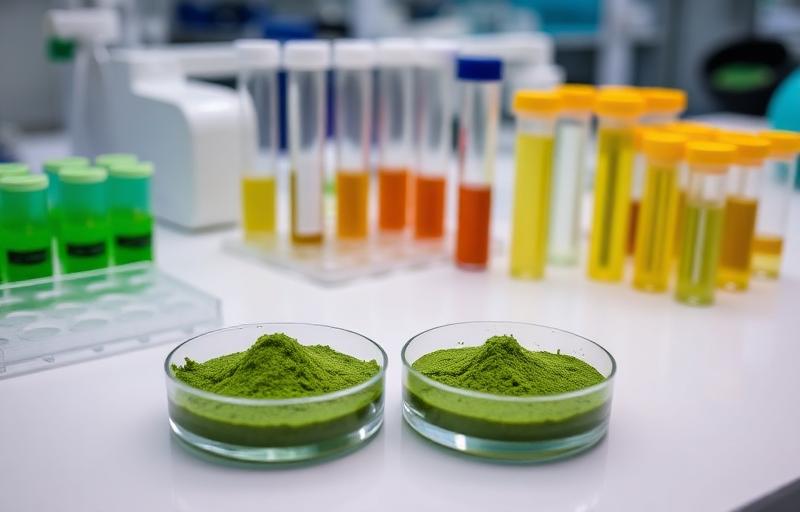
Kratom testing plays a vital role in ensuring the quality, purity, and safety of kratom products. Because regulation of the kratom market is still developing in many regions, including parts of Canada, responsible vendors often voluntarily submit their products to third-party laboratories for comprehensive analyses. This process helps to identify potential contaminants and verify the levels of key alkaloids, such as mitragynine and 7-hydroxymitragynine. Without adequate testing, consumers are left vulnerable to adulterated or substandard products.
Why is Product Safety Important?
Product safety is the primary concern in kratom testing. Untested kratom products may contain harmful substances, including:
* Heavy metals: Lead, arsenic, mercury, and cadmium can be present in kratom due to environmental contamination during cultivation or processing. These heavy metals can pose serious health risks with prolonged exposure. * Microbial contaminants: Bacteria like Salmonella and E. coli, as well as molds and yeasts, can contaminate kratom during harvesting, drying, or packaging. * Adulterants: Some unscrupulous vendors may add synthetic opioids or other substances to kratom products to enhance their effects. * Pesticides: Improper use of pesticides during kratom cultivation can leave residues on the leaves.
Thorough kratom testing helps to detect and quantify these contaminants, ensuring that the kratom product meets safety standards.
Understanding Kratom Testing
Kratom testing involves a series of laboratory analyses designed to assess the composition and safety of a kratom sample. These analyses typically include potency testing, heavy metal testing, and microbial testing.
Potency Testing
Potency testing measures the concentration of key alkaloids in the kratom sample, primarily mitragynine and 7-hydroxymitragynine. Mitragynine is generally considered the primary active alkaloid responsible for kratom's effects. Potency testing provides consumers with information about the strength of the kratom product. The analyses are crucial for proper dosing.
Heavy Metal Testing
Heavy metal testing detects the presence and concentration of heavy metals such as lead, arsenic, mercury, and cadmium. These heavy metals can be naturally present in the soil where kratom is grown or introduced during processing. Excessive levels of heavy metals can pose significant health risks.
Microbial Testing
Microbial testing identifies and quantifies the presence of bacteria, molds, and yeasts in the kratom sample. This testing is essential to ensure that the kratom product is free from harmful microbial contamination.
Kratom Lab Testing: What to Look For
When evaluating kratom products, it's crucial to understand what to look for in kratom lab testing results. Certificates of Analysis (CoAs) provide a detailed breakdown of the test results, allowing consumers to assess the quality and safety of the product.
Understanding Certificates of Analysis (CoAs)
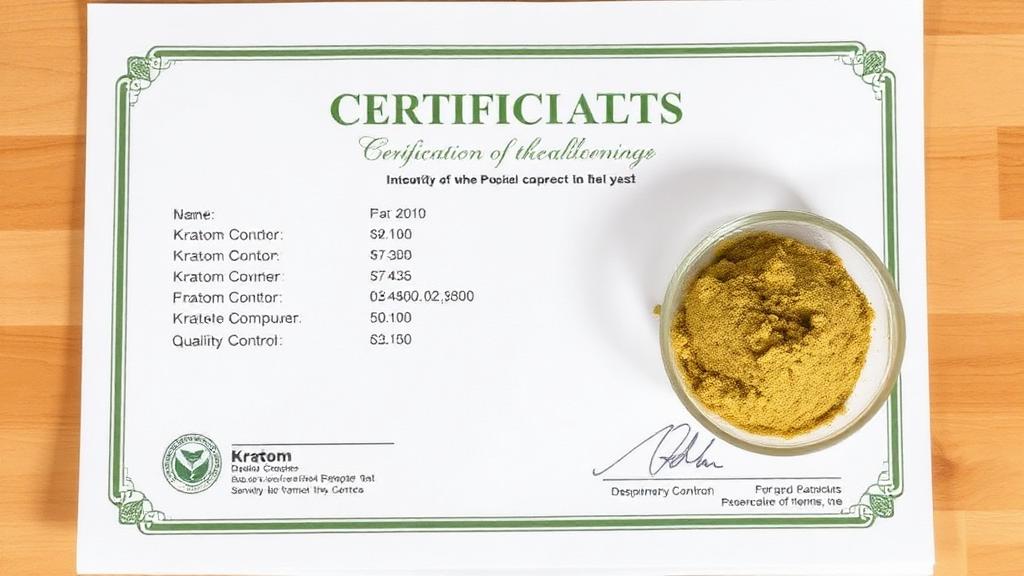
A Certificate of Analysis (CoA) is a document issued by a third-party laboratory that certifies the results of testing performed on a kratom sample. The CoA should include the following information:
* Name and contact information of the laboratory * Date of testing * Product name and batch number * List of tests performed * Results of each test * Acceptable limits for each test (if applicable) * Signature of the laboratory representative
Key Parameters to Evaluate in a CoA
When reviewing a CoA, pay close attention to the following parameters:
- Mitragynine Content: The mitragynine content should be clearly stated in the CoA, usually expressed as a percentage of the total product weight. This indicates the potency of the kratom product.
- Heavy Metal Levels: The levels of lead, arsenic, mercury, and cadmium should be below the acceptable limits established by regulatory agencies or industry standards.
- Microbial Counts: The CoA should indicate that the kratom sample is free from harmful bacteria, molds, and yeasts, or that the levels are within acceptable limits.
- Absence of Adulterants: The CoA should confirm that the kratom product is free from synthetic opioids or other adulterants.
Red Flags to Watch Out For
Be wary of kratom products with CoAs that exhibit the following red flags:
* Missing or incomplete information * Test results that exceed acceptable limits for heavy metals or microbial contaminants * Lack of testing for adulterants * CoAs that appear to be fraudulent or altered
Kratom Potency
Kratom potency refers to the concentration of alkaloids, primarily mitragynine, within a kratom product. Understanding kratom potency is crucial for consumers to achieve desired effects and avoid unwanted side effects.
Factors Affecting Kratom Potency
Several factors can influence the potency of kratom, including:
* Strain: Different kratom strains, such as Maeng Da, Bali, and Borneo, have varying alkaloid profiles and potencies. * Growing conditions: Environmental factors like soil quality, climate, and sunlight exposure can affect the alkaloid content of kratom leaves. * Harvesting and drying methods: The timing of harvest and the methods used to dry the leaves can impact the final potency of the kratom product. * Storage conditions: Improper storage can degrade alkaloids and reduce the potency of kratom over time.
How Potency Testing Works
Potency testing typically involves using analytical techniques such as High-Performance Liquid Chromatography (HPLC) or Gas Chromatography-Mass Spectrometry (GC-MS) to separate and quantify the alkaloids in a kratom sample. These methods provide accurate and reliable measurements of mitragynine and other alkaloids.
Interpreting Potency Results
Potency results are usually expressed as a percentage of the total product weight. For example, a kratom product with a mitragynine content of 1.5% contains 15 milligrams of mitragynine per gram of kratom.
Kratom Regulation
Kratom regulation varies widely across different countries and regions. In some areas, kratom is completely legal, while in others, it is restricted or banned. Understanding the regulatory landscape is essential for both consumers and vendors.
Kratom Regulation in Canada
In Canada, the legal status of kratom is somewhat ambiguous. It is not explicitly illegal at the federal level, but its sale and use are subject to regulations under the Food and Drugs Act and the Natural Health Products Regulations. Health Canada has issued warnings about the potential risks associated with kratom use and has seized kratom products that were found to contain adulterants or pose a health risk.
Currently, kratom products are not approved for sale as natural health products in Canada. This means that vendors cannot make health claims about kratom or sell it as a therapeutic product. Some vendors sell kratom as a research chemical or a raw material for further processing, but this practice is subject to scrutiny by regulatory authorities.
The Role of Third-Party Testing in Compliance
In the absence of comprehensive regulation, third-party kratom testing plays a crucial role in ensuring compliance with existing laws and protecting consumers. By voluntarily submitting their products to independent laboratories for testing, vendors can demonstrate their commitment to quality and safety. Testing can help ensure that kratom products meet acceptable standards for potency, purity, and absence of contaminants.
Comprehensive Kratom Testing Services
Comprehensive kratom testing services encompass a wide range of analyses to assess the quality and safety of kratom products. These services typically include potency testing, heavy metal testing, microbial testing, and adulterant screening.
Potency Testing Methods
The most common methods used for kratom potency testing are HPLC and GC-MS.
* High-Performance Liquid Chromatography (HPLC): HPLC is a technique used to separate, identify, and quantify the different alkaloids in a kratom sample. It is a versatile and widely used method for potency testing. * Gas Chromatography-Mass Spectrometry (GC-MS): GC-MS is another technique used to analyze the alkaloid content of kratom. It is particularly useful for identifying volatile compounds.
Heavy Metal Testing Methods
Heavy metal testing typically involves using Inductively Coupled Plasma Mass Spectrometry (ICP-MS) to measure the concentrations of heavy metals in a kratom sample. ICP-MS is a highly sensitive technique that can detect even trace amounts of heavy metals.
Microbial Testing Methods
Microbial testing involves culturing kratom samples on selective media to identify and quantify the presence of bacteria, molds, and yeasts. Different types of media are used to detect specific types of microorganisms.
Adulterant Screening Methods
Adulterant screening involves using various analytical techniques to detect the presence of synthetic opioids, pharmaceuticals, or other adulterants in a kratom sample. These techniques may include HPLC, GC-MS, or immunoassay methods.
Finding Reputable Kratom Testing Services
When seeking kratom testing services, it's essential to choose a reputable laboratory with experience in analyzing kratom products. Look for laboratories that meet the following criteria:
* Accreditation: The laboratory should be accredited by a recognized accreditation body, such as ISO/IEC 17025. * Experience: The laboratory should have experience in testing kratom products and be familiar with the specific challenges associated with kratom analysis. * Validated methods: The laboratory should use validated analytical methods that are appropriate for kratom testing. * Quality control: The laboratory should have a robust quality control program to ensure the accuracy and reliability of its test results. * Transparency: The laboratory should be transparent about its testing methods and provide detailed Certificates of Analysis.
The Future of Kratom Testing
As the kratom market continues to evolve, the importance of kratom testing will only increase. Several trends are likely to shape the future of kratom testing:
* Increased Regulation: As regulatory agencies become more familiar with kratom, they may implement stricter testing requirements to ensure product safety and quality. * Standardization of Testing Methods: Efforts are underway to standardize kratom testing methods to improve the consistency and comparability of test results across different laboratories. * Development of New Testing Technologies: Researchers are exploring new testing technologies that can provide more comprehensive and accurate analyses of kratom products. * Greater Consumer Awareness: As consumers become more educated about kratom testing, they will demand more transparency and accountability from vendors.
Frequently Asked Questions
Does Amazon test for kratom?
Amazon's policies regarding kratom are subject to change, and it's best to consult their current policies directly on their website. Generally, Amazon requires sellers to comply with all applicable laws and regulations, and they may request documentation to verify the safety and quality of kratom products sold on their platform. However, it is not guaranteed that all kratom products on Amazon undergo third-party lab testing. Consumers should carefully review product descriptions and seller information to assess the quality and safety of kratom products sold on Amazon.
Are kratom lab testing illegal?
Kratom lab testing is not illegal. In fact, it's a crucial step for vendors to ensure product safety, purity, and potency. Third-party lab testing provides consumers with transparency and confidence in the quality of kratom products. While kratom's legal status varies by region, lab testing itself remains a legal and essential practice for responsible vendors.
Is OPMS kratom lab tested?
OPMS (Optimized Plant Mediated Solutions) is a brand that claims to test their kratom products. Consumers should look for Certificates of Analysis (CoAs) on their website or packaging to verify these claims. Checking for verifiable lab results from a third-party laboratory is always recommended to ensure product quality and safety.
Summary
Kratom lab testing is a critical aspect of ensuring the safety and quality of kratom products. By understanding the importance of testing, evaluating Certificates of Analysis, and choosing reputable kratom testing services, Canadian consumers can make informed decisions and protect their health. As the kratom market continues to evolve, ongoing efforts to standardize testing methods and increase regulatory oversight will further enhance consumer safety and confidence. Our strains hub sets out what strain names actually describe.
Sources
- Health Canada — Unauthorized "Sāj" kratom products seized from two Edmonton stores, 4 May 2018
- Justice Laws Website — Controlled Drugs and Substances Act, schedules
Both retrieved 23 September 2026.
More questions
Chad Samson is a Canadian writer who covers the kratom marketplace in Canada — tracking vendors, current pricing, published lab testing, and Health Canada policy. He maintains the vendor comparison data on this site and reviews every guide before it's published.
Written and reviewed against our editorial policy.
Get New Kratom Guides & Safety Updates
Join readers who stay informed with our educational content. No spam — just clear, cautious kratom education.
Free Kratom Beginner Checklist included with signup.