Thai Kratom Explained
Understanding the Thai kratom label and its origins.
Disclaimer: This content is educational only — not medical or legal advice. Always speak with a qualified healthcare professional before using kratom or any herbal product. Laws may vary by jurisdiction.
Key Takeaways
- This content is educational — not medical advice
- Individual experiences with kratom vary
- Laws and regulations may vary by region
Thai kratom, a popular strain of Mitragyna speciosa, originates from Thailand and is known for its unique effects. This article provides a comprehensive overview of Thai kratom, exploring its history, effects, potential benefits, and usage, while also addressing concerns surrounding its safety and legality, particularly in the context of Canadian kratom users. Kratom has been used for centuries in Southeast Asia, but it's crucial to approach its use with knowledge and understanding, considering factors such as dosage, potential side effects, and legal status.
What is Thai Kratom?
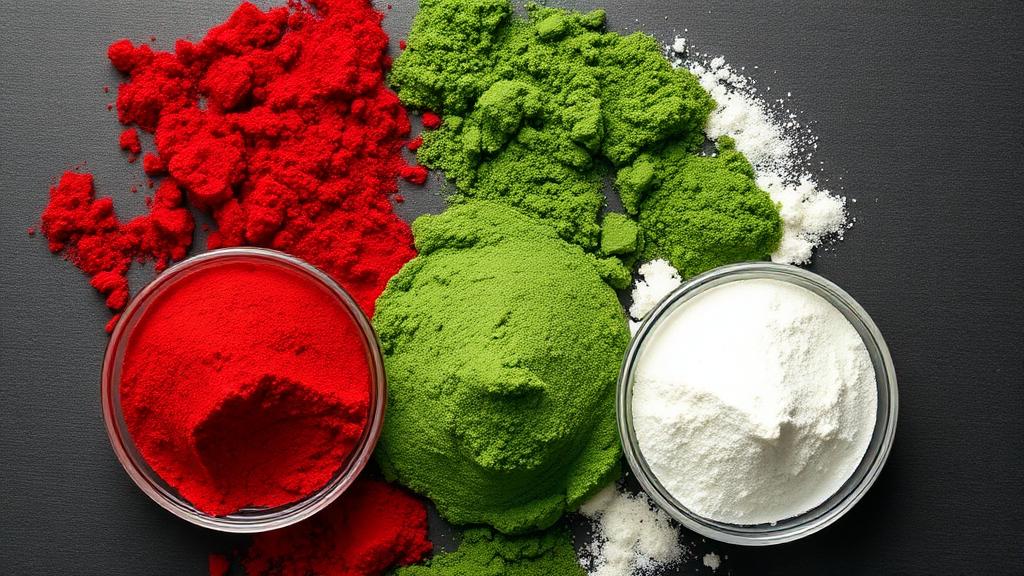
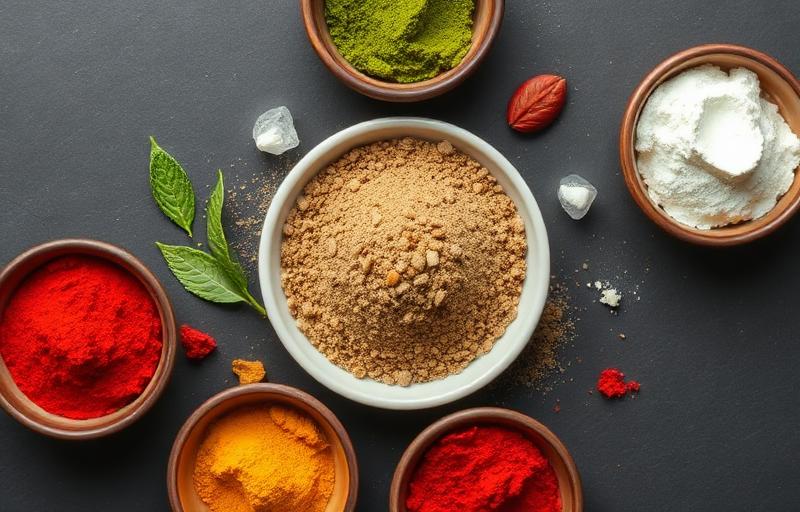
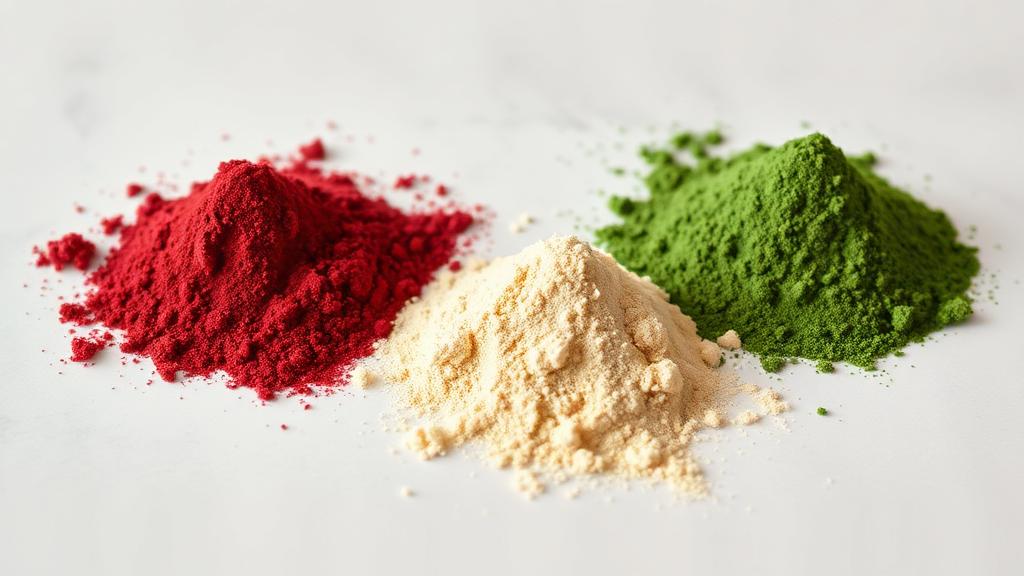
Thai kratom refers to kratom strains sourced from Thailand. Mitragyna speciosa, the kratom plant, thrives in the tropical climates of Southeast Asia. The kratom leaves of the Thai variety are harvested and processed into various forms, including kratom powder, capsules, and extracts. Thai kratom is often categorized by vein color (red, green, and white), each reportedly offering different effects. The specific alkaloid profile of Thai kratom, influenced by environmental factors and harvesting techniques, contributes to its distinct characteristics.
History of Kratom Use
The use of kratom has deep roots in Southeast Asian culture, particularly in Thailand and Malaysia. Traditionally, kratom has been used by laborers and farmers to combat fatigue, increase productivity, and alleviate pain. The kratom plant was a readily available and natural remedy for various ailments. Historically, kratom leaves were often chewed fresh, brewed into a tea, or dried and smoked. This traditional use of kratom highlights its significance as a culturally important plant.
Thai Kratom Effects
The effect of kratom is complex and can vary depending on several factors, including the strain, dosage, individual physiology, and method of consumption. Thai kratom, in particular, is often associated with energizing and stimulating effects, especially at lower doses. Some users report increased focus, alertness, and motivation. However, at higher doses, Thai kratom may reportedly produce more sedative and analgesic effects.
It's important to understand that the specific alkaloids present in kratom, such as mitragynine and 7-hydroxymitragynine, interact with various receptors in the brain, contributing to its diverse effects. The pharmacology and toxicology of kratom are still being studied, but the interaction with opioid receptors is a key area of research.
Potential Benefits of Thai Kratom
While it's crucial to avoid making any definitive medical claims, some users of kratom report experiencing various potential benefits. These reported benefits include:
* Pain relief: Some kratom users reportedly use kratom for pain management. * Energy boost: Thai kratom, in particular, is often associated with increased energy and alertness. * Mood enhancement: Some individuals report improved mood and a sense of well-being after taking kratom. * Anxiety relief: Some kratom users claim it helps alleviate anxiety symptoms. * Opioid withdrawal support: Some individuals exploring alternatives have looked to kratom to ease opioid withdrawal symptoms.
It's important to note that these are anecdotal reports, and more research is needed to confirm these potential benefits. Moreover, it's essential to consult with a healthcare professional before using kratom for any health condition.
Thai Kratom Dosage
Determining the appropriate kratom dosage is crucial for a positive experience. Dosage can vary depending on individual factors such as weight, tolerance, and the specific strain of kratom. Generally, lower doses (1-3 grams) are associated with stimulating effects, while higher doses (5+ grams) may produce more sedative and analgesic effects.
It is recommended to start with a low dose and gradually increase it until the desired effects are achieved. It's also important to be mindful of the potential for tolerance development and to avoid taking kratom daily for extended periods.
Kratom Use: Risks and Side Effects
Like any substance, kratom use carries potential risks and side effects. Common side effects include nausea, constipation, dizziness, and drowsiness. In rare cases, more serious side effects, such as liver damage and respiratory depression, have been reported.
It's important to be aware of these potential risks and to take precautions to minimize them. This includes using kratom responsibly, avoiding high doses, and not combining it with other substances, especially alcohol or opioids. Individuals with pre-existing health conditions, such as liver or heart problems, should exercise extra caution.
Kratom Addiction and Withdrawal
Kratom addiction is a potential risk associated with long-term and heavy kratom use. Kratom contains alkaloids that can interact with opioid receptors in the brain, potentially leading to dependence. Kratom withdrawal symptoms can occur when someone who has been using kratom regularly suddenly stops taking it. These symptoms can include muscle aches, anxiety, insomnia, runny nose, and diarrhea.
While kratom withdrawal is generally considered less severe than opioid withdrawal, it can still be unpleasant and challenging. If you are considering stopping kratom use, it's recommended to gradually taper your dose to minimize withdrawal symptoms.
Kratom and Opioid Addiction
The relationship between kratom and opioid addiction is complex and controversial. Some proponents of kratom suggest that it can be a useful tool for managing opioid withdrawal symptoms and reducing opioid cravings. They argue that kratom's opioid-like effects can help ease the transition off of more potent opioids.
However, it's important to note that kratom itself can be addictive, and using it to treat opioid addiction may simply replace one addiction with another. Furthermore, the Food and Drug Administration (FDA) and the Drug Enforcement Administration (DEA) have expressed concerns about the potential for kratom to contribute to the opioid crisis.
It's crucial to approach the use of kratom for opioid withdrawal with caution and under the guidance of a healthcare professional. There are established medical treatments for opioid addiction that have been proven safe and effective.
Is Thai Kratom Legal in Canada?
The legal status of kratom in Canada is somewhat ambiguous. Kratom is not explicitly illegal at the federal level, but it is not approved for sale as a health product or dietary supplement. This means that kratom products cannot be legally marketed for human consumption.
However, kratom is often sold in Canada as a research chemical or for other non-consumption purposes. The legality of kratom can also vary at the provincial and municipal levels, so it's important to be aware of local regulations. Canadian kratom users should research the specific laws in their area to ensure compliance.
Thai Kratom vs. Other Strains
Thai kratom is just one of many different strains of kratom available. Other popular strains include Bali, Maeng Da, and Borneo. Each strain is reportedly associated with different effects and alkaloid profiles.
* Bali kratom is often associated with relaxation and pain relief. * Maeng Da kratom is known for its stimulating and energizing effects. * Borneo kratom is often used for anxiety relief and relaxation.
The choice of strain depends on individual preferences and the desired effects. Some kratom users experiment with different strains to find the one that works best for them.
Concerns and Controversy
Kratom has been the subject of considerable controversy in recent years. The FDA and DEA have expressed concerns about its safety and potential for abuse. These agencies have cited reports of adverse events associated with kratom use, including seizures, liver damage, and respiratory depression.
Opponents of kratom argue that it is a dangerous and addictive substance that should be banned. They point to the lack of scientific research on kratom and the potential for it to be contaminated with harmful substances.
On the other hand, proponents of kratom argue that it is a safe and effective natural remedy that can provide relief from pain, anxiety, and other conditions. They point to the long history of kratom use in Southeast Asia and the growing body of anecdotal evidence supporting its potential benefits. The American Kratom Association advocates for responsible kratom regulation and education.
The Future of Kratom
The future of kratom remains uncertain. The legal status of kratom is constantly evolving, and there is ongoing debate about its safety and potential benefits. More research is needed to fully understand the pharmacology of kratom and its effects on the human body.
As awareness of kratom grows, it is likely that there will be increased pressure on governments to regulate its use. It is important for consumers to stay informed about the latest developments in kratom research and regulation.
Responsible Kratom Usage
If you choose to use kratom, it's crucial to do so responsibly. Here are some tips for responsible kratom usage:
- Start with a low dose and gradually increase it until you achieve the desired effects.
- Avoid taking kratom daily for extended periods to minimize the risk of tolerance and dependence.
- Do not combine kratom with other substances, especially alcohol or opioids.
- Be aware of the potential side effects of kratom and take precautions to minimize them.
- Consult with a healthcare professional before using kratom if you have any pre-existing health conditions.
- Purchase kratom from reputable vendors who test their products for purity and potency.
- Store kratom in a safe place, out of reach of children and pets.
Kratom Powder and Other Forms
Kratom is available in various forms, including kratom powder, capsules, extracts, and teas. Kratom powder is the most common form and can be mixed with water, juice, or other beverages. Kratom capsules offer a convenient and discreet way to consume kratom. Kratom extracts are concentrated forms of kratom that are typically more potent than kratom powder. Kratom tea is made by brewing kratom leaves in hot water.
The choice of form depends on individual preferences and the desired effects. Some users prefer kratom powder because it allows for more precise dosage control. Others prefer kratom capsules because they are more convenient to take on the go.
Kratom and the Food and Drug Administration
The Food and Drug Administration (FDA) has issued several warnings about kratom, citing concerns about its safety and potential for abuse. The FDA has not approved kratom for any medical use and has taken action against companies that market kratom products with unsubstantiated health claims.
The FDA has also warned consumers about the potential for kratom products to be contaminated with harmful substances, such as heavy metals and salmonella. It's crucial to purchase kratom from reputable vendors who test their products for purity and potency.
Kratom Exposure and Safety Data
Data on kratom exposure and safety are limited. While some studies have suggested that kratom is relatively safe when used responsibly, other studies have raised concerns about its potential for adverse effects.
More research is needed to fully understand the safety profile of kratom and its potential long-term effects. It's important to be aware of the limitations of the available data and to exercise caution when using kratom.
Frequently Asked Questions (FAQ)
How does Thai kratom make you feel?
Thai kratom is reportedly known for its stimulating and energizing effects, especially at lower doses. Some users say they experience increased focus, alertness, and motivation. However, at higher doses, Thai kratom may reportedly produce more sedative and analgesic effects. Individual experiences can vary.
What is kratom used for in Thailand?
In Thailand, kratom has traditionally been used by laborers and farmers to combat fatigue, increase productivity, and alleviate pain. It was a readily available and natural remedy for various ailments.
Does kratom make you buzzed?
Some kratom users report experiencing a sense of euphoria or well-being after taking kratom, which some might describe as a "buzz." However, the specific effects can vary depending on the strain, dosage, and individual physiology. Kratom contains alkaloids that interact with receptors in the brain, which can influence mood and perception.
Is kratom chemically an opioid?
Kratom is not chemically classified as an opioid, but it contains alkaloids, such as mitragynine and 7-hydroxymitragynine, that interact with opioid receptors in the brain. This interaction can produce effects similar to those of opioids, such as pain relief and sedation. However, kratom's effects are generally considered to be milder than those of traditional opioids.
Can Thai kratom be explained for dummies?
Imagine Thai kratom as a special leaf from Thailand that some people use for energy or to feel better. It's like a strong cup of coffee, but it can also make you sleepy if you take too much. It's not legal everywhere, so you need to be careful.
How does Thai kratom work?
Thai kratom contains special ingredients called alkaloids. These alkaloids talk to certain parts of your brain, affecting how you feel. Depending on how much you take, it can give you energy or help you relax.
Summary
Thai kratom, a strain of Mitragyna speciosa originating from Thailand, is known for its diverse effects. While it has a history of traditional kratom use in Southeast Asia, understanding its potential benefits, risks, and legal status, particularly in Canada, is crucial for responsible use. Kratom may be used for a variety of reasons by kratom users, but it is important to be aware of the potential for kratom addiction and kratom withdrawal. The pharmacology and toxicology of kratom are complex and still being studied. Always consult with a healthcare professional before taking kratom, and be aware of the potential risks and side effects. The American Kratom Association provides further resources and advocacy for kratom consumers.
Frequently Asked Questions
Chad Samson
Chad Samson is a Canadian writer who covers the kratom marketplace in Canada — tracking vendors, current pricing, published lab testing, and Health Canada policy. He maintains the vendor comparison data on this site and reviews every guide before it's published.
Reviewed for clarity and educational accuracy.
Get New Kratom Guides & Safety Updates
Join readers who stay informed with our educational content. No spam — just clear, cautious kratom education.
Free Kratom Beginner Checklist included with signup.