Does Kratom Show Up on Drug Tests?
What is generally known about kratom and standard drug testing.
Disclaimer: This content is educational only — not medical or legal advice. Always speak with a qualified healthcare professional before using kratom or any herbal product. Laws may vary by jurisdiction.
Key Takeaways
- This content is educational — not medical advice
- Individual experiences with kratom vary
- Laws and regulations may vary by region
Does Kratom Show Up on Drug Tests?
Where this comes from. Health Canada's published position is that it "has not authorized the sale of any product containing kratom", and the same advisory lists the side effects it attributes to the plant: drowsiness, nausea, vomiting, seizures, liver toxicity and excessively rapid heartbeat. Kratom is separately absent from the schedules of the Controlled Drugs and Substances Act. Not scheduled and not authorised are two different facts, and most confusion about Canadian kratom comes from treating them as one.
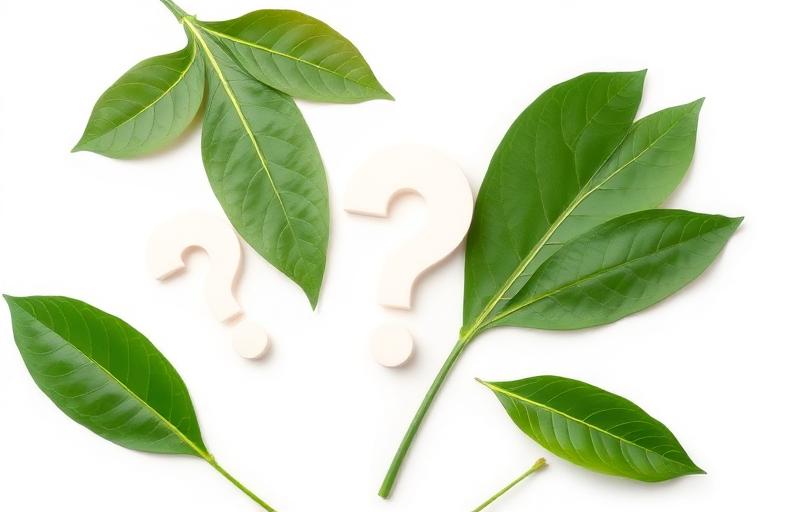
Kratom, derived from the Mitragyna speciosa tree native to Southeast Asia, has gained popularity in Canada and worldwide for its reported stimulant and opioid-like effects. As kratom use becomes more common, especially among those seeking alternatives to traditional medications or recreational substances, a crucial question arises: Does kratom show up on drug tests? This comprehensive guide aims to provide a detailed explanation of kratom and drug screening, addressing concerns about detectability, standard drug tests, and the potential for false positives.
What is Kratom?
Mitragyna speciosa, commonly known as kratom, is a tropical evergreen tree in the coffee family. Its leaves contain several alkaloids, most notably mitragynine and 7-hydroxymitragynine, which are responsible for its psychoactive effects. Traditionally, kratom leaves were chewed or brewed into tea for their stimulant effects at lower doses and opioid-like effects at higher doses.
The reported effects of kratom vary depending on the dose, individual physiology, and the specific strain. Some users report increased energy, focus, and sociability, while others experience pain relief, relaxation, and even euphoria. In Canada, kratom is available in various forms, including powder, capsules, extracts, and teas.
How Long Does Kratom Stay in Your System?
The duration kratom stays in your system is influenced by several factors, including the dose, frequency of kratom use, metabolism, age, weight, and overall health. The primary alkaloid, mitragynine, has an estimated half-life of around 24 hours. This means that it takes approximately 24 hours for the concentration of mitragynine in your system to reduce by half. However, it's important to note that individual experiences can vary significantly.
While the half-life provides a general guideline, it typically takes several half-lives for a substance to be completely eliminated from the body. Therefore, kratom metabolites can potentially be detect in urine, blood, or saliva for several days after the last kratom use.
Will Kratom Show Up on a Standard Drug Test?
The short answer is generally no, kratom will not show up on standard drug tests. Most standard drug screenings are designed to detect common substances such as amphetamines, opioids, cocaine, benzodiazepines, and cannabis. These standard drug tests do not typically screen for mitragynine or 7-hydroxymitragynine, the primary alkaloids in kratom.
However, it's crucial to understand that specialized drug tests can be developed to specifically detect kratom. These tests are not commonly used but may be requested in specific situations, such as clinical trials, forensic investigations, or by employers with specific policies regarding kratom use.
Why Don't Standard Drug Tests Detect Kratom?
The reason standard drug tests don't detect kratom is primarily due to the unique chemical structure of mitragynine and 7-hydroxymitragynine. These alkaloids are structurally different from the substances typically targeted by standard drug screenings. The antibodies used in standard immunoassays are designed to bind to specific molecules. Since mitragynine and 7-hydroxymitragynine are distinct from these molecules, they are not detected.
Furthermore, the cost and complexity of developing and implementing specific kratom drug tests are significant factors. Most employers and healthcare providers rely on standard drug tests to screen for common substances of abuse. The demand for kratom-specific drug tests is currently relatively low, making it less economically feasible to include them in routine drug screenings.
When Might a Drug Test Specifically Screen for Kratom?
While standard drug tests typically do not screen for kratom, there are specific situations where a drug test for kratom might be requested:
* Clinical Trials: Research studies investigating the effects of kratom may require participants to undergo specific drug tests to monitor kratom use and ensure compliance with the study protocol. * Forensic Investigations: In certain legal or forensic contexts, such as cases involving impaired driving or workplace accidents, a drug test specifically designed to detect kratom may be used to determine if kratom use was a contributing factor. * Employment Policies: Some employers, particularly those in safety-sensitive industries, may implement specific policies regarding kratom use. In these cases, they may require employees to undergo drug tests specifically designed to screen for kratom. * Pain Management Clinics: Some pain management clinics that utilize urine drug screening to monitor patient compliance with prescribed medications may choose to include kratom on their testing panel if they are aware the patient is using kratom. * Probation or Parole: In some cases, individuals on probation or parole may be required to undergo drug testing, which could include screening for kratom, depending on the specific terms of their supervision. * Legal Battles: Kratom is a controversial substance. In divorce or custody battles, one party may attempt to show the other is using kratom.
Could Kratom Use Cause a False Positive on a Drug Test?
There have been anecdotal reports and some scientific investigations into the possibility of kratom use causing a false positive on a drug test. A false positive occurs when a drug test incorrectly indicates the presence of a substance when it is not actually present.
While the risk is generally low, some users reportedly say that kratom use could potentially trigger a false positive for certain substances, such as opioids or other drugs. This is because some of the alkaloids in kratom may have structural similarities to other compounds, which could lead to cross-reactivity in certain immunoassays.
However, it's important to note that false positives are relatively rare, and confirmatory testing using more specific methods, such as gas chromatography-mass spectrometry (GC-MS) or liquid chromatography-mass spectrometry (LC-MS), can typically resolve any ambiguity. These confirmatory tests are highly accurate and can differentiate between kratom alkaloids and other substances.
If you believe you have received a false positive drug test result due to kratom use, it's crucial to request confirmatory testing to verify the results. You may also want to consult with a healthcare professional or legal expert to explore your options.
Factors Affecting How Long Kratom Stays Detectable
Several factors influence how long kratom stays detectable in your system:
* Dose: Higher doses of kratom will generally take longer to be eliminated from the body compared to lower doses. * Frequency of Use: Regular, frequent kratom use can lead to a build-up of kratom alkaloids in the system, prolonging the detection window. * Metabolism: Individuals with faster metabolisms will typically eliminate kratom more quickly than those with slower metabolisms. * Age: Age-related changes in metabolism and kidney function can affect how quickly kratom is eliminated. * Weight: Body weight can influence the concentration of kratom in the system, with heavier individuals potentially requiring more time to eliminate the substance. * Overall Health: Underlying health conditions, particularly those affecting liver or kidney function, can impact the rate of kratom elimination. * Hydration: Staying adequately hydrated can help the body eliminate toxins and metabolites more efficiently, potentially reducing the detection window for kratom. * Specific Kratom Strain: Different kratom strains may have varying concentrations of alkaloids, which could affect how long they remain detectable.
Kratom and Opioid Detection
It's important to reiterate that standard opioid drug screenings are not designed to detect kratom. While kratom alkaloids can interact with opioid receptors in the brain, they are structurally distinct from traditional opioids like morphine, codeine, and heroin. Therefore, kratom use will not typically cause a positive result on a standard opioid drug test.
However, as mentioned earlier, there have been some anecdotal reports of kratom potentially causing false positives for certain substances. If you are concerned about this possibility, it's best to request confirmatory testing to ensure accurate results.
Kratom and the Canadian Legal Context
In Canada, the legal status of kratom is somewhat ambiguous. It is not explicitly illegal at the federal level, but it is not approved for sale as a health product or food supplement. Health Canada has issued warnings about the potential risks associated with kratom use and has seized products containing kratom that were being sold illegally.
Some municipalities or provinces may have specific regulations regarding the sale or possession of kratom. It's essential to be aware of the local laws and regulations in your area.
Given the uncertain legal status of kratom in Canada, employers may have varying policies regarding its use. Some employers may prohibit kratom use altogether, while others may have no specific policy. It's always best to check with your employer or HR department to clarify their stance on kratom use.
Kratom and Withdrawal
While not typically life-threatening, kratom withdrawal is a real possibility for individuals who use kratom regularly and then suddenly stop. The severity of withdrawal symptoms can vary depending on the dose, frequency of use, and individual physiology.
Common kratom withdrawal symptoms include:
* Muscle aches and pains * Runny nose * Watery eyes * Irritability * Anxiety * Restlessness * Insomnia * Sweating * Nausea * Diarrhea
The duration of kratom withdrawal can also vary, typically lasting from a few days to a week. In some cases, withdrawal symptoms may persist for longer.
If you are experiencing kratom withdrawal symptoms, it's best to consult with a healthcare professional. They can provide guidance and support to help you manage your symptoms and safely discontinue kratom use.
Alternatives to Kratom
For individuals seeking alternatives to kratom for pain relief, energy enhancement, or mood improvement, there are several options to consider:
* For Pain Relief: Over-the-counter pain relievers like acetaminophen or ibuprofen, physical therapy, massage therapy, acupuncture, and prescription pain medications (under the guidance of a healthcare professional). * For Energy Enhancement: Regular exercise, a healthy diet, adequate sleep, and caffeine (in moderation). * For Mood Improvement: Therapy, exercise, mindfulness practices, and prescription antidepressants (under the guidance of a healthcare professional).
It's important to discuss any health concerns with a qualified healthcare professional before starting any new treatment or supplement.
The Future of Kratom Drug Testing
As kratom use continues to grow, it's possible that kratom-specific drug tests may become more common in the future. Advances in drug testing technology and changes in legal regulations could also influence the availability and use of kratom drug tests.
It's essential to stay informed about the latest developments in kratom research, legal regulations, and drug testing practices to make informed decisions about kratom use.
Frequently Asked Questions
Q: What drug tests does kratom show up on? A: Kratom will not show up on standard drug tests. Specialized drug tests can be developed to specifically detect kratom, but these are not common.
Q: Is kratom drug tested? A: Standard drug screenings do not typically include kratom. However, some employers or legal situations may require specific drug tests that screen for kratom.
Q: Does kratom trigger drug test? A: While rare, there have been anecdotal reports of kratom potentially causing a false positive on certain standard drug tests. Confirmatory testing can verify the results.
Q: What should I do if I have to take a drug test and I use kratom? A: If you are required to take a drug test, it's always best to inform the testing facility or your employer about your kratom use. This can help avoid any misunderstandings or false positives. Also, request a confirmatory test if a positive result occurs.
Q: How long after kratom use can it be detected? A: Kratom metabolites can potentially be detected in urine, blood, or saliva for several days after the last kratom use. This is affected by dose, frequency of use, and metabolism.
Q: Are kratom drug tests common in Canada? A: Kratom drug tests are not currently common in Canada. Standard drug tests typically do not screen for kratom.
Summary
In conclusion, while kratom offers reportedly beneficial effects for some users, it's crucial to be aware of its potential detectability in drug tests. Standard drug screenings typically do not screen for kratom. However, specialized drug tests can be developed to specifically detect kratom, and there have been anecdotal reports of kratom potentially causing false positives on certain standard drug tests. Factors such as dose, frequency of use, metabolism, and overall health can influence how long kratom stays detectable in your system. As kratom use continues to evolve, it's essential to stay informed about the latest developments in research, legal regulations, and drug testing practices. Always consult with a healthcare professional for any health concerns and to discuss the potential risks and benefits of kratom use.
Sources
- Health Canada — Unauthorized "Sāj" kratom products seized from two Edmonton stores, 4 May 2018
- Justice Laws Website — Controlled Drugs and Substances Act, schedules
Both retrieved 23 September 2026.
More questions
Chad Samson is a Canadian writer who covers the kratom marketplace in Canada — tracking vendors, current pricing, published lab testing, and Health Canada policy. He maintains the vendor comparison data on this site and reviews every guide before it's published.
Written and reviewed against our editorial policy.
Get New Kratom Guides & Safety Updates
Join readers who stay informed with our educational content. No spam — just clear, cautious kratom education.
Free Kratom Beginner Checklist included with signup.