Kratom Legality & Policy
Overview of kratom's legal status in Canada and beyond.
Kratom's legal status varies by country, state, and province — and it can change over time. This hub provides general educational overviews of kratom-related laws and regulations. Always verify current rules through official government sources.
Canada's actual position
Two separate facts are often collapsed into one, and keeping them apart is the key to this topic. Kratom is not scheduled under the Controlled Drugs and Substances Act, so it is not a controlled substance in Canada. At the same time, Health Canada has not authorised it for human consumption — it carries no Drug Identification Number and no Natural Product Number, and it may not legally be sold as a food or natural health product intended to be ingested.
The result is a grey market rather than a legal or an illegal one. Kratom is widely sold in Canada under not for human consumption labelling, which is what allows those sales to proceed. Health Canada has issued advisories and has recalled unauthorised products. Buying and possessing kratom is not treated as a criminal matter; selling it for consumption is not permitted. Most of the confusion online comes from sources reporting one half of that and omitting the other.
Federal, provincial and municipal
The relevant framework here is federal. Provinces and territories have not generally created separate kratom regimes, so the federal position above is the one that governs in most of the country.
That said, we would not want a general guide to be your last stop. Regulations are amended, and local rules can exist that a national overview will not capture. Health Canada is the authoritative source for the federal position, and it is worth checking directly rather than relying on any secondary summary, including this one.
Crossing borders
This is where the stakes rise sharply, and where the gap between Canadian rules and foreign ones catches people out. A number of countries prohibit kratom outright — Australia and Singapore among them, along with several European jurisdictions — and penalties in some can be severe. Others have moved in the opposite direction: Thailand, historically one of the strictest, reversed its long-standing prohibition in 2021.
Canada's own position does not travel with you, and neither does the reasoning that kratom is not a controlled substance here. Anyone considering carrying kratom across a border should verify the rules of the destination and of any country they transit, using that country's own official sources, before travelling.
Why this keeps changing
Kratom sits in an unresolved regulatory space in much of the world. Research is ongoing, regulators periodically revisit their positions, and advocacy organisations campaign on both sides. Positions that were stable for years can shift quickly, as Thailand's reversal illustrates.
Anything dated in this hub should be treated as a snapshot rather than a standing fact. We note when pages were last reviewed, and we would rather you verify a current position with a primary source than trust a guide that may have gone stale.
Guides in This Hub
Is Kratom Legal in Canada?
A general overview of kratom's legal status in Canada — always verify current regulations.
Kratom Laws by Country: General Overview
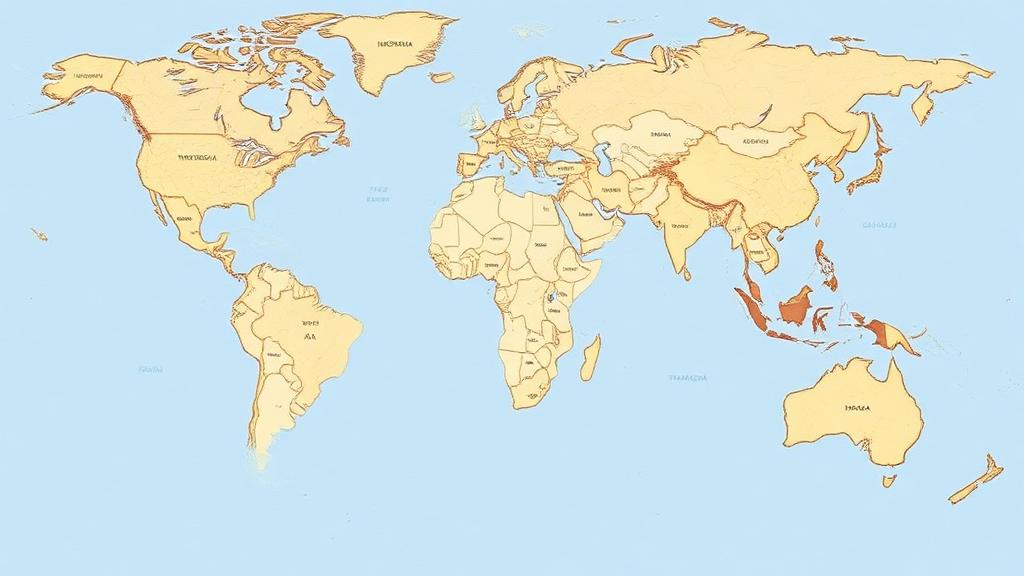
A general overview of kratom's legal status around the world.
Kratom Border and Travel Considerations
Things to consider when traveling with kratom across borders.
Kratom Legality in the United States
A state-by-state overview of kratom's legal status in the US.
Kratom Advocacy Organizations
Who the American Kratom Association and Global Kratom Coalition are, what they campaign for, and why their model law does not apply in Canada.
Frequently Asked Questions
Get New Kratom Guides & Safety Updates
Join readers who stay informed with our educational content. No spam — just clear, cautious kratom education.
Free Kratom Beginner Checklist included with signup.