Kratom Legality in the United States
A state-by-state overview of kratom's legal status in the US.
Disclaimer: This content is educational only — not medical or legal advice. Always speak with a qualified healthcare professional before using kratom or any herbal product. Laws may vary by jurisdiction.
Key Takeaways
- This content is educational — not medical advice
- Individual experiences with kratom vary
- Laws and regulations may vary by region
Kratom, derived from the Mitragyna speciosa tree native to Southeast Asia, has garnered considerable attention in recent years for its potential effects. While kratom use is a topic of increasing interest in Canada, many Canadians are also curious about the legality of kratom in the United States. Understanding the complex legal landscape surrounding kratom across the United States is crucial, as regulations vary significantly from state to state and even at the local level. This article aims to provide a comprehensive overview of kratom legality in the U.S., covering the current status, influencing factors, and potential future developments, offering a valuable resource for Canadian readers interested in this topic.

Kratom: An Overview
Kratom is a tropical evergreen tree in the coffee family. The leaves of the kratom plant contain compounds, including mitragynine and 7-hydroxymitragynine, which interact with opioid receptors in the brain. Some users report that it may have effects such as pain relief, mood elevation, and increased energy. However, the effects of kratom can vary depending on dosage, individual physiology, and the specific strain of kratom used.
It's important to note that the Food and Drug Administration (FDA) has not approved kratom for any medical use. The FDA and other regulatory bodies have expressed concerns regarding the safety of kratom and its potential for abuse. These concerns have contributed to the varying legal status of kratom across different jurisdictions.
The FDA and Kratom
The FDA's stance on kratom has significantly influenced the debate surrounding its legality. The FDA has issued warnings about products containing kratom, citing concerns about their safety and potential for abuse. The FDA has also taken action against companies marketing kratom products with unproven health claims.
The FDA has repeatedly stated that kratom should not be used as a dietary supplement or alternative to prescription drugs. They have also expressed concern about the potential for kratom to be associated with serious side effects, including respiratory depression, liver damage, and even death. These concerns have led the FDA to advocate for increased regulation and, in some cases, an outright ban on kratom.
The agency's stance is that more research is needed to fully understand the effects of kratom and its potential risks. This lack of definitive scientific evidence has made it difficult to establish clear guidelines for kratom use and regulation. The FDA's influence on public perception and policy decisions regarding kratom cannot be overstated.
Kratom Legality by State
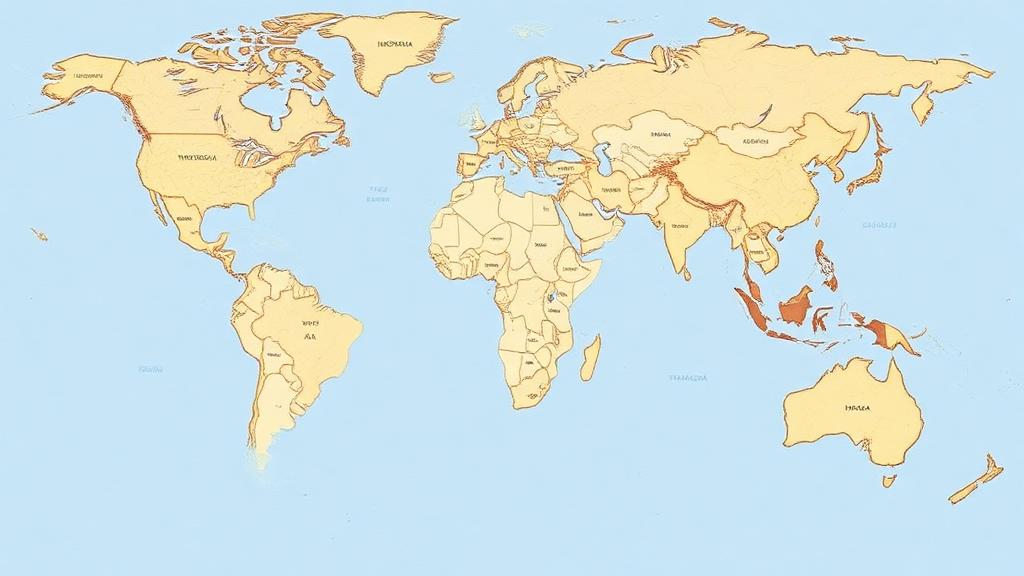
The legality of kratom in the United States is a patchwork, with different states adopting different approaches. Some states have fully legalized kratom, while others have banned it completely, and still others have implemented regulations to control its sale and distribution. Understanding the specific kratom legal status in each state is crucial for anyone interested in kratom use or sale.
As of [insert current date], the following states have banned kratom:
* Alabama * Arkansas * Indiana * Rhode Island * Vermont * Wisconsin
In these states, it is illegal to sell or manufacture kratom products. Possession of kratom may also be illegal, depending on the specific state law.
Other states have passed the Kratom Consumer Protection Act (KCPA), which aims to regulate kratom products and ensure their safety. These states typically require kratom products to be tested for contaminants and adulterants, and they may also restrict the sale of kratom to minors. States that have passed the KCPA include:
* Arizona * Colorado * Florida * Georgia * Nevada * Oregon * Utah
In states without specific legislation, the legality of kratom may be uncertain. Some cities and counties within these states may have their own local ordinances regulating or banning kratom. It is essential to research local laws before attempting to purchase or use kratom in any given area.
Factors Influencing Kratom Legality
Several factors influence the legality of kratom in the United States. These include:
* Scientific research: The availability of scientific data on the effects and safety of kratom plays a crucial role in shaping policy decisions. As more research emerges, lawmakers may be more inclined to regulate kratom rather than ban it outright. * Public opinion: Public perception of kratom can also influence its legality. If the public views kratom as a dangerous drug, lawmakers may be more likely to support a ban. Conversely, if the public views kratom as a beneficial substance with potential therapeutic uses, lawmakers may be more likely to support regulation. * Lobbying efforts: Advocacy groups on both sides of the kratom debate actively lobby lawmakers to influence policy decisions. The American Kratom Association (AKA) is a leading advocate for kratom legalization and regulation, while other groups advocate for a ban. * The Opioid Crisis: The ongoing opioid crisis in the United States has also influenced the kratom debate. Some proponents of kratom argue that it can be a useful tool for managing pain and reducing opioid use. However, opponents argue that kratom is itself an opioid-like substance that can contribute to substance dependence.
The Debate Around Kratom Use
The debate surrounding kratom use is complex and multifaceted. Proponents of kratom argue that it has a range of potential benefits, including pain relief, mood enhancement, and increased energy. Some users report that kratom helps them manage chronic pain conditions, reduce anxiety and depression, and overcome opioid withdrawal.
However, opponents of kratom argue that it is a dangerous drug with a high potential for abuse. They point to reports of adverse effects associated with kratom use, including nausea, vomiting, constipation, and liver damage. They also raise concerns about the potential for kratom to cause respiratory depression, seizures, and even death.
The lack of definitive scientific evidence on the effects and safety of kratom makes it difficult to resolve this debate. More research is needed to fully understand the potential benefits and risks of kratom use.
Potential Effects of Kratom
The reported effects of kratom vary widely depending on the individual, dosage, and strain of kratom used. Some common reported effects include:
* Pain relief: Some users report that kratom can effectively relieve pain, particularly chronic pain conditions. * Mood enhancement: Kratom is sometimes used to elevate mood and reduce symptoms of anxiety and depression. * Increased energy: Some users experience increased energy and focus after taking kratom. * Opioid withdrawal relief: Some individuals use kratom to manage opioid withdrawal symptoms.
It is important to note that these effects are not universally experienced, and some users may not experience any noticeable effects from kratom.
Potential Side Effects of Kratom
Kratom use is associated with a number of potential side effects, including:
* Nausea and vomiting * Constipation * Dizziness * Drowsiness * Dry mouth * Sweating * Loss of appetite * Liver damage * Respiratory depression * Seizures
In rare cases, kratom use has been associated with more serious side effects, including death. It is important to be aware of these potential risks before taking kratom.
Kratom Overdose
While rare, kratom overdose is possible. Symptoms of kratom overdose can include:
* Respiratory depression * Seizures * Loss of consciousness * Cardiac arrest
If you suspect that someone has overdosed on kratom, it is important to seek immediate medical attention.
Kratom and Substance Dependence
Kratom has the potential to cause substance dependence. Regular use of kratom can lead to tolerance, meaning that the user needs to take increasingly larger doses to achieve the desired effects. When a user becomes dependent on kratom, they may experience withdrawal symptoms if they stop taking it.
Kratom withdrawal symptoms can include:
* Muscle aches * Insomnia * Anxiety * Irritability * Runny nose * Sweating * Diarrhea
These symptoms can be uncomfortable and may make it difficult for users to stop taking kratom.
Kratom vs. Opioids
Kratom interacts with the same opioid receptors in the brain as opioid drugs like morphine and heroin. However, kratom is generally considered to be less potent than these drugs. Some proponents of kratom argue that it can be a safer alternative to opioids for managing pain.
However, it is important to note that kratom is not without risks. Kratom can cause side effects, including respiratory depression, and it has the potential to cause substance dependence.
Kratom in Canada
While this article focuses on the United States, it's helpful for Canadian readers to understand the context in their own country. In Canada, kratom is not explicitly illegal at the federal level. However, it is not approved for sale as a health product or dietary supplement. This means that selling kratom for human consumption is technically not permitted. Health Canada has issued warnings about the potential risks associated with kratom use. Learn more about kratom legality in Canada here.
The Future of Kratom Legality
The future of kratom legality in the United States remains uncertain. It is possible that more states will ban kratom in the coming years. However, it is also possible that more states will pass the Kratom Consumer Protection Act, regulating kratom products and ensuring their safety.
The outcome of the debate surrounding kratom legality will likely depend on the availability of scientific evidence, public opinion, and lobbying efforts. As more research emerges and public awareness grows, lawmakers will be better equipped to make informed decisions about the future of kratom regulation.
Frequently Asked Questions
Which is better for pain, CBD or kratom?
The effectiveness of CBD and kratom for pain relief varies among individuals. CBD reportedly interacts with the body's endocannabinoid system, potentially reducing inflammation and pain. Kratom, on the other hand, interacts with opioid receptors, which some users say can provide more direct pain relief. However, kratom carries a higher risk of side effects and dependence compared to CBD. It is best to consult with a healthcare professional to determine which option is more suitable for your specific needs.
Is kava or kratom worse for the liver?
Both kava and kratom have been linked to potential liver damage in some cases. However, the extent and frequency of liver-related issues seem to be more commonly reported with kava use, particularly with certain preparations and extraction methods. Kratom, while still posing a risk, may be less likely to cause liver problems compared to kava, according to some studies and anecdotal reports. It's essential to research both substances thoroughly and consult with a healthcare provider, especially if you have pre-existing liver conditions.
How is 7-OH different from kratom?
7-hydroxymitragynine (7-OH) is one of the alkaloids found in the kratom plant. It is believed to be more potent than mitragynine, the primary alkaloid in kratom. 7-OH is thought to contribute significantly to the analgesic effects of kratom. The concentration of 7-OH in kratom leaves is typically much lower than mitragynine.
What drug does kratom show up as?
Kratom does not typically show up on standard drug tests. Standard drug tests are designed to detect common substances like opioids, amphetamines, cocaine, and THC. Kratom and its metabolites, like mitragynine, are not included in these standard panels. However, specialized tests can be ordered to specifically detect kratom use.
What is kratom legality in the US?
Kratom legality in the U.S. varies significantly by state and even at the local level. Some states have banned kratom entirely, making it illegal to possess, sell, or use. Other states have passed the Kratom Consumer Protection Act (KCPA), which regulates the sale and distribution of kratom products to ensure safety and quality. In states without specific legislation, the legality of kratom may be uncertain. It is essential to research the specific laws in your area before attempting to purchase or use kratom.
Summary
The legality of kratom in the United States is a complex and evolving issue. While some states have banned kratom due to safety concerns, others have implemented regulations to control its sale and distribution. The FDA's stance on kratom has significantly influenced the debate surrounding its legality, and the future of kratom legality remains uncertain. For Canadian readers interested in kratom, it is crucial to stay informed about the legal status in the specific U.S. state they may be visiting or considering purchasing from. Understanding the potential effects and side effects of kratom, as well as the risk of substance dependence, is also essential for making informed decisions about its use.
Frequently Asked Questions
Chad Samson
Chad Samson is a Canadian writer who covers the kratom marketplace in Canada — tracking vendors, current pricing, published lab testing, and Health Canada policy. He maintains the vendor comparison data on this site and reviews every guide before it's published.
Reviewed for clarity and educational accuracy.
Get New Kratom Guides & Safety Updates
Join readers who stay informed with our educational content. No spam — just clear, cautious kratom education.
Free Kratom Beginner Checklist included with signup.