
Kratom vs Akuamma
Comparing kratom with akuamma seeds — another tropical botanical.
Disclaimer: This content is educational only — not medical or legal advice. Always speak with a qualified healthcare professional before using kratom or any herbal product. Laws may vary by jurisdiction.
Key Takeaways
- This content is educational — not medical advice
- Individual experiences with kratom vary
- Laws and regulations may vary by region
Kratom and akuamma are two botanical substances that have garnered attention for their potential effects. While both are derived from trees and contain alkaloids, they originate from different regions and have distinct chemical compositions. This article will delve into a comprehensive comparison of kratom vs akuamma, exploring their origins, chemical makeup, potential effects, legal status, and other relevant factors. This information is intended for educational purposes only and should not be interpreted as medical advice. Always consult with a healthcare professional before using any new botanical substance.

Kratom: An Overview
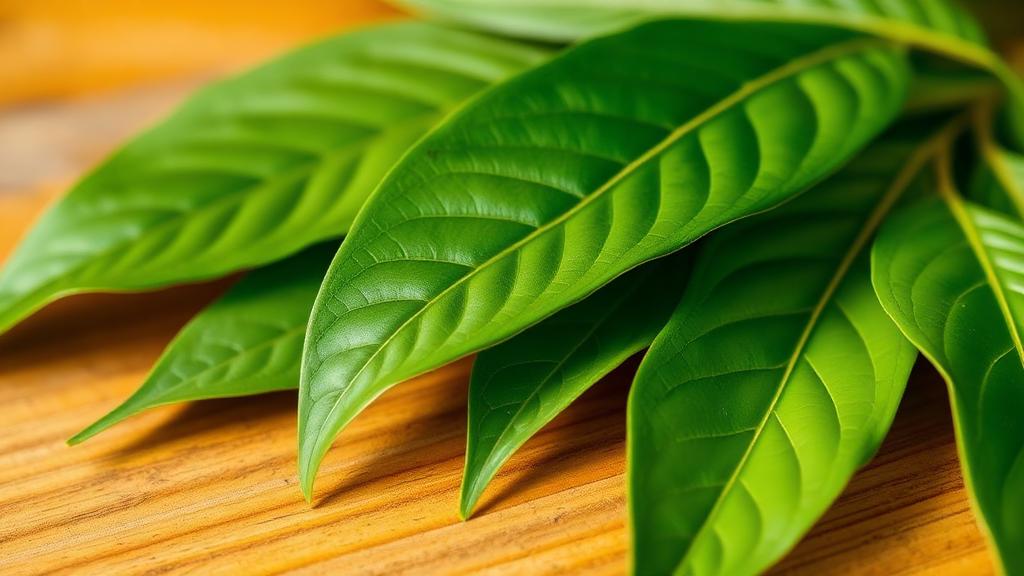
Kratom, scientifically known as Mitragyna speciosa, is a tropical evergreen tree native to Southeast Asia. Traditionally, the kratom leaf has been used in countries like Thailand, Malaysia, Indonesia, and Papua New Guinea for its potential properties. The leaves are typically chewed, brewed into tea, or processed into kratom powder or capsules.
Kratom's Origins and Traditional Use
For centuries, people in Southeast Asia have reportedly used kratom for various purposes. Some users say it was used to combat fatigue, increase productivity, and as a traditional remedy. The specific uses and perceived effects often varied depending on the kratom strain and the region where it was consumed.
Key Alkaloids in Kratom
The effects of kratom are attributed to its unique alkaloid profile. The two most prominent alkaloids are mitragynine and 7-hydroxymitragynine. These alkaloids interact with receptors in the brain, potentially influencing mood and energy levels. Other alkaloids present in kratom include speciogynine, paynantheine, and speciociliatine.
Different Kratom Strains
Kratom is often categorized into different strains based on the color of the veins in the leaves and their perceived effects. Common kratom strains include:
* Red Vein: Reportedly known for its potential calming effects. * White Vein: Reportedly known for its potential energizing effects. * Green Vein: Reportedly known for providing a balance between energy and relaxation.
The specific alkaloid content and perceived effects can vary between strains, making it essential for users to research and understand the differences before using kratom. You can learn more about kratom strains strains and vein colours.
Effects of Kratom
The effects of kratom are reportedly dose-dependent. Some users say that at lower doses, it may have stimulating effects, while at higher doses, it may have calming effects. Individual responses to kratom can vary significantly based on factors like body weight, metabolism, and tolerance.
Kratom Products
Kratom is available in various forms, including kratom powder, capsules, extracts, and teas. Kratom products are typically sold online and in specialty shops. In Canada, it's essential to be aware of the evolving legal landscape surrounding kratom before purchasing or using it.
Akuamma: An Overview
Akuamma, scientifically known as Picralima nitida, is a tree native to West Africa. The akuamma seeds are the primary part of the plant used, and they have a long history of traditional use in countries like Ghana, Nigeria, and Côte d'Ivoire. The seed powder is often used in herbal medicine practices.
Akuamma's Origins and Traditional Use
In West African traditional medicine, akuamma seeds have been used for various purposes. Some users say it was used for pain management and as a traditional remedy. The akuamma tree is valued for its medicinal properties within these communities.
Key Alkaloids in Akuamma
The main alkaloid in akuamma is akuammine. Other alkaloids present include pericine, pseudo-akuammigine, akuammidine, and akuammicine. While akuammine interacts with opioid receptors, its mechanism of action and effects are different from those of alkaloids found in kratom.
Akuamma Seed Powder
Akuamma is most commonly available in the form of akuamma seed powder. The seeds are dried and ground into a fine powder, which can then be consumed directly or encapsulated.
Effects of Akuamma
According to community discussions, the effects of akuamma are reportedly different from kratom. Some users say it is used for pain relief and relaxation. Individual responses to akuamma can vary, and it's essential to start with a low dose to assess tolerance.
Kratom vs Akuamma: A Detailed Comparison
Now that we have established a basic understanding of kratom and akuamma, let's delve into a more detailed comparison of the two botanicals.
Botanical Origins
Kratom: Native to Southeast Asia (Mitragyna speciosa*). Akuamma: Native to West Africa (Picralima nitida*).
Primary Plant Part Used
* Kratom: Kratom leaf. * Akuamma: Akuamma seeds.
Key Alkaloids
* Kratom: Mitragynine, 7-hydroxymitragynine. * Akuamma: Akuammine.
Traditional Uses
* Kratom: Traditionally used in Southeast Asia for energy, focus, and as a traditional remedy. * Akuamma: Traditionally used in West Africa, reportedly for pain management and as a traditional remedy.
Reported Effects
* Kratom: Some users say it has stimulating or calming effects depending on the dose and strain. * Akuamma: Some users say it has pain-relieving and relaxing effects.
Forms Available
* Kratom: Kratom powder, capsules, extract, tea. * Akuamma: Akuamma seed powder, capsules.
Legal Status
* Kratom: The legality of kratom varies across Canada and around the world. It is essential to check local regulations before purchasing or using kratom. Our Canadian legality guide covers where kratom currently stands under Canadian law. * Akuamma: The legality of akuamma is less widely discussed than that of kratom. However, it is still important to be aware of any potential regulations in your area.
Potential Side Effects
* Kratom: Potential side effects may include nausea, constipation, dizziness, and drowsiness. * Akuamma: Potential side effects may include gastrointestinal discomfort.
Interactions
* Kratom: Kratom may interact with certain medications. It is essential to consult with a healthcare professional before using kratom, especially if you are taking any prescription drugs. * Akuamma: Akuamma may also interact with certain medications. Consult with a healthcare professional before using akuamma, especially if you are taking any prescription drugs.
Understanding Alkaloids: The Key to Their Effects
Both kratom and akuamma owe their potential effects to the alkaloids they contain. Alkaloids are naturally occurring chemical compounds that have pharmacological effects on the human body.
Mitragynine vs. Akuammine: A Closer Look
Mitragynine, the primary alkaloid in kratom, interacts with opioid receptors, but it also has effects on other receptor systems in the brain. Akuammine, the primary alkaloid in akuamma, also interacts with opioid receptors, but its binding profile and effects are different from mitragynine. This difference in alkaloid profiles contributes to the distinct effects of kratom and akuamma.
Kratom and Akuamma: Exploring the Differences
While both kratom and akuamma are botanical substances with a history of traditional use, it is important to recognize that they are not interchangeable. Their different alkaloid profiles, origins, and traditional uses contribute to their distinct effects.
The Importance of Responsible Use
Whether you are considering using kratom or akuamma, it is essential to do so responsibly. This includes:
- Researching thoroughly: Understand the potential effects, side effects, and interactions of the substance.
- Starting with a low dose: Assess your tolerance and sensitivity to the substance.
- Consulting with a healthcare professional: Discuss any potential risks or interactions with medications you are taking.
- Purchasing from reputable sources: Ensure that you are buying high-quality, lab-tested products.
- Being aware of the legal status: Understand the regulations in your area regarding the use of kratom or akuamma.
Kratom Legal Considerations in Canada
The legal status of kratom in Canada is complex and evolving. Currently, kratom is not explicitly illegal at the federal level, but its legality can vary depending on provincial and municipal regulations. It is essential to stay informed about the latest developments in kratom legislation in your area. The American Kratom Association (AKA) is a valuable resource for staying up-to-date on kratom-related news and advocacy efforts.
Akuamma and Kratom: Potential Synergies or Antagonisms?
There is limited scientific research on the potential interactions between akuamma and kratom. Some users online report experimenting with combining the two, but it is important to exercise extreme caution when doing so. The combined effects of kratom and akuamma are largely unknown, and there is a risk of unpredictable or adverse reactions. It is always best to consult with a healthcare professional before combining any botanical substances.
Kava vs. Kratom vs. Akuamma: A Brief Comparison
While this article focuses on kratom vs akuamma, it is worth briefly mentioning kava, another botanical substance that is often compared to kratom. Kava is a root native to the South Pacific islands, and it is traditionally used for its relaxing and anxiolytic effects. Like kratom and akuamma, kava contains unique alkaloids that contribute to its effects. While all three substances have potential benefits, they also have potential risks and should be used responsibly.
Navigating the World of Botanicals: A Word of Caution
The world of botanical substances can be complex and confusing. It is important to approach these substances with caution and to prioritize your health and safety. Always do your research, consult with a healthcare professional, and purchase from reputable sources. Remember that the information provided in this article is for educational purposes only and should not be interpreted as medical advice.
Frequently Asked Questions
Q: Does Akuamma get you high? A: While akuamma contains alkaloids that interact with opioid receptors, it is not typically associated with producing a "high" in the same way as recreational drugs. The effects of akuamma are reportedly more focused on pain relief and relaxation.
Q: Is akuamma stronger than kratom? A: The "strength" of akuamma compared to kratom is subjective and depends on individual responses and the specific effects being considered. Kratom and akuamma have different alkaloid profiles and mechanisms of action, so their effects are not directly comparable. Some users may find akuamma more effective for pain relief, while others may prefer kratom for its energizing or mood-boosting effects.
Q: What's stronger than kratom? A: The perception of "strength" is subjective. Some prescription pain medications are stronger than kratom in terms of opioid receptor activity. However, kratom's effects are more complex than simply opioid receptor activation.
Q: What is akuama? A: Akuamma is the seed of the Picralima nitida tree, native to West Africa. The seeds are traditionally used in herbal medicine, reportedly for pain relief and other purposes.
Q: Which kratom vs akuammar has kratom vs akuammar? A: This question is unclear due to a typo. If you are asking which of the two (kratom or akuamma) is better, it depends on individual needs and preferences. Kratom and akuamma have different effects and are used for different purposes.
Q: Has kratom vs akuammar? A: This question is unclear due to a typo. Kratom and akuamma are distinct botanical substances with different origins, alkaloid profiles, and effects.
Summary
In conclusion, kratom and akuamma are two distinct botanical substances with unique origins, chemical compositions, and reported effects. Kratom, derived from Mitragyna speciosa in Southeast Asia, contains alkaloids like mitragynine and 7-hydroxymitragynine and is reportedly used for energy, focus, and as a traditional remedy. Akuamma, derived from Picralima nitida in West Africa, contains akuammine as its primary alkaloid and is reportedly used for pain management. While both interact with opioid receptors, their distinct alkaloid profiles lead to different effects. Responsible use, including thorough research, low dosing, and consultation with a healthcare professional, is crucial when considering either substance. The legality of kratom and akuamma varies, so it's essential to stay informed about local regulations, particularly in Canada. Ultimately, the choice between kratom vs akuamma depends on individual needs and preferences.
More questions
Chad Samson is a Canadian writer who covers the kratom marketplace in Canada — tracking vendors, current pricing, published lab testing, and Health Canada policy. He maintains the vendor comparison data on this site and reviews every guide before it's published.
Written and reviewed against our editorial policy.
Get New Kratom Guides & Safety Updates
Join readers who stay informed with our educational content. No spam — just clear, cautious kratom education.
Free Kratom Beginner Checklist included with signup.