Kratom vs Tea: An Educational Comparison
How kratom and traditional tea compare as botanical beverages.
Comparison Disclaimer
This comparison is for educational purposes only. It does not constitute a recommendation to use either substance. Do not combine substances without consulting a healthcare professional.
Key Takeaways
- This content is educational — not medical advice
- Individual experiences with kratom vary
- Laws and regulations may vary by region
Kratom and tea are both beverages derived from plants, enjoyed around the world for their unique properties. While tea boasts a long and storied history, kratom, derived from the Mitragyna speciosa tree, is a relatively newer arrival to the global stage, especially in places like Canada. This article will explore the similarities and differences between kratom and tea, examining their origins, preparation methods, effects, and more. We will delve into the nuances of kratom powder vs tea, providing a comprehensive comparison to help you understand these two distinct beverages.
Kratom: An Introduction
Kratom comes from the leaves of the Mitragyna speciosa tree, native to Southeast Asia. For centuries, people in countries like Thailand, Malaysia, and Indonesia have used kratom leaves for their traditional medicinal purposes. The leaves contain various alkaloid compounds, including mitragynine and 7-Hydroxymitragynine, which are believed to be responsible for the effects of kratom. Traditionally, the fresh kratom leaves were chewed, brewed into kratom tea, or used in food. Today, kratom products are available in various forms, including kratom powder, capsules, and extracts.
Tea: A Timeless Classic
Tea, on the other hand, is derived from the Camellia sinensis plant. Originating in Asia, specifically China, tea has been consumed for thousands of years. Different processing methods result in various types of tea, including green tea, black tea, oolong tea, and white tea. Tea is widely enjoyed as a beverage for its taste and potential health benefits. The leaf contains antioxidants and other compounds that are thought to contribute to its positive effects. The global popularity of tea is undeniable, and it's a staple in many cultures around the world.
Kratom Powder
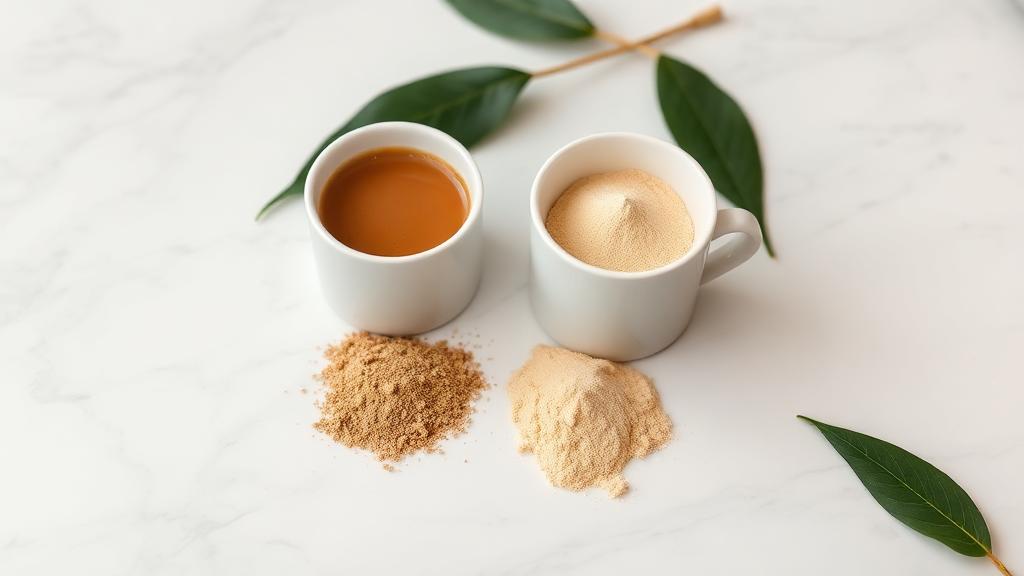
Kratom powder is created by drying and grinding the leaves of the Mitragyna speciosa tree. This powder form allows for versatile use of kratom. It can be mixed into water, juice, or other beverages. It can also be encapsulated for easier consumption. The potency of kratom powder can vary depending on the strain and the source of the kratom leaves. Canadian consumers should always purchase kratom powder from reputable vendors that provide lab testing results to ensure quality and safety.
Kratom Tea
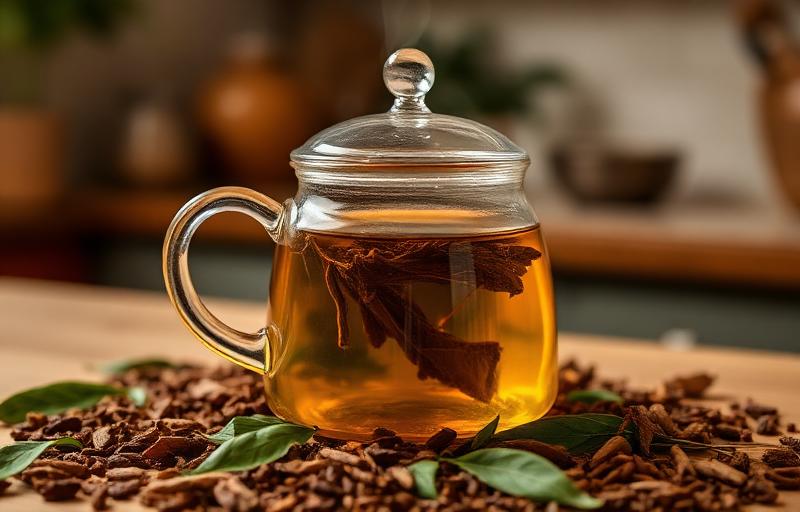
Kratom tea is made by steeping kratom powder or crushed kratom leaves in hot water. The resulting brew extracts the alkaloids from the plant material, creating a beverage with kratom's characteristic effects. Some users add lemon juice or other acidic ingredients to enhance the extraction process. The taste of kratom tea can be somewhat bitter, so many people add sweeteners or other flavourings to improve its palatability. The strength of kratom tea depends on the amount of kratom used and the steeping time. There are many online resources that provide guidance on tea preparation.
Tea Preparation
Tea preparation varies depending on the type of tea. Green tea, for example, is typically steeped in hot (but not boiling) water for a few minutes, while black tea can be steeped in boiling water for a longer period. The steeping time and water temperature affect the flavour and strength of the tea. Different cultures have their own unique tea preparation rituals and traditions. In Canada, tea is a popular beverage, enjoyed both hot and iced.
Comparing Kratom Powder vs. Tea
The difference between kratom powder and kratom tea lies primarily in the method of consumption. Kratom powder can be ingested directly or used to make kratom tea. Some people prefer the convenience of taking kratom powder directly, while others enjoy the ritual and flavour of kratom tea. The effects of kratom can also vary slightly depending on the method of consumption. Some users report that kratom tea has a faster onset of effects, while others find that kratom powder provides a more sustained experience. When comparing kratom powder vs, it's important to consider individual preferences and desired effects.
Use of Kratom
The use of kratom varies among individuals. Some people use kratom for its potential stimulating effects, while others use kratom for its relaxing properties. The effects of kratom are dose-dependent, with lower doses often producing stimulating effects and higher doses producing more sedative effects. It's important to start with a low dose and gradually increase it until the desired effects are achieved. It is also crucial to be aware of the potential risks and side effects associated with kratom use. In Canada, kratom is not regulated at the federal level, so consumers should exercise caution and do their research before purchasing kratom products.
Alkaloid Content
Both kratom and tea contain alkaloids, which are naturally occurring compounds that can have various effects on the body. In kratom, the primary alkaloids are mitragynine and 7-Hydroxymitragynine. These alkaloids interact with receptors in the brain, producing a range of effects. In tea, the primary alkaloid is caffeine, which is known for its stimulating effects. The alkaloid content of both kratom and tea can vary depending on the plant variety, growing conditions, and processing methods.
Kratom Tea and Kratom Powder: Similarities and Differences
Kratom tea and kratom powder both originate from the same plant, Mitragyna speciosa, and contain the same active compounds. However, the way these compounds are delivered to the body differs. Kratom tea involves extracting the alkaloids into water, which some believe allows for faster absorption. Kratom powder, on the other hand, can be consumed directly, either by tossing and washing, mixing with other beverages, or taking in capsules. The choice between kratom tea and kratom powder often comes down to personal preference and convenience. Some users find the tea preparation process enjoyable, while others prefer the simplicity of taking kratom powder directly.
Kratom Tea vs. Powder: Bioavailability
Bioavailability refers to the extent to which a substance is absorbed into the bloodstream and becomes available to have an effect. Some argue that kratom tea may have a higher bioavailability than kratom powder due to the extraction process. The hot water helps to release the alkaloids from the plant material, potentially making them more readily absorbed by the body. However, more research is needed to confirm this. Factors such as stomach acidity and individual metabolism can also affect the bioavailability of both kratom tea and kratom powder.
Effects of Kratom
The effects of kratom can vary depending on the dose, strain, and individual. At lower doses, kratom is often reported to have stimulating effects, increasing energy and focus. At higher doses, kratom is reportedly associated with relaxing and pain-relieving effects. Some users also report that kratom can help to improve mood and reduce anxiety. However, it's important to note that kratom can also have side effects, such as nausea, constipation, and dizziness. Responsible kratom use involves starting with a low dose and being aware of the potential risks.
Comparing Kratom
Comparing kratom to other substances, such as tea, requires understanding their distinct properties. While tea primarily offers stimulating effects due to caffeine, kratom's effects are more complex due to the presence of mitragynine and other alkaloids. Comparing kratom also involves considering the different strains, each with its own unique profile of alkaloids and effects.
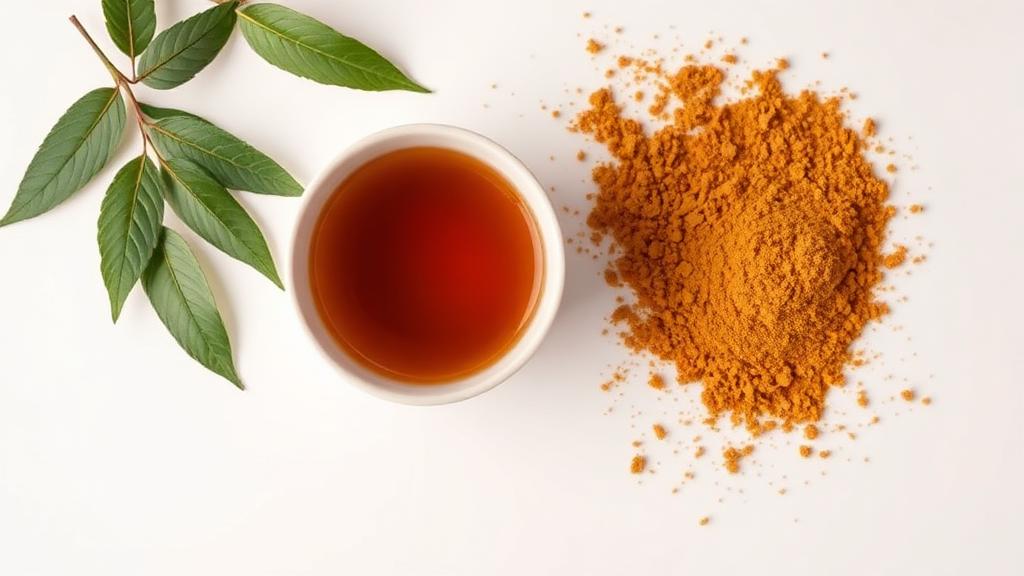
vs Tea: Taste and Aroma
Tea boasts a wide range of flavours and aromas, from the grassy notes of green tea to the malty richness of black tea. The taste and aroma of tea are influenced by factors such as the plant variety, growing conditions, and processing methods. Kratom, on the other hand, has a more uniform taste, which is often described as bitter and earthy. The aroma of kratom is also relatively mild. Many people find the taste of kratom unpleasant and prefer to mask it with other flavours.
Kratom Powder vs Tea: Dosage
Dosage is a crucial factor to consider when using kratom, whether in powder or tea form. The optimal dose can vary depending on individual factors such as weight, metabolism, and tolerance. It's generally recommended to start with a low dose and gradually increase it until the desired effects are achieved. When using kratom powder, it's important to measure the dose accurately, as even small variations can have a significant effect. When making kratom tea, the strength of the tea depends on the amount of kratom powder used and the steeping time.
Frequently Asked Questions
Is kratom like tea?
While both kratom and tea are beverages derived from plants, they are quite different. Tea comes from the Camellia sinensis plant and contains caffeine, while kratom comes from the Mitragyna speciosa tree and contains mitragynine and other unique alkaloids. Their effects and traditional uses also differ significantly.
Is kratom stronger than coffee?
The perceived strength of kratom vs tea or coffee depends on the dosage and individual sensitivity. Lower doses of kratom may provide similar stimulating effects to coffee due to its alkaloid content. However, higher doses of kratom have different effects altogether. Read more about kratom vs coffee here
Is kratom similar to green tea?
Kratom is not very similar to green tea. While both are derived from plants and can be consumed as beverages, they have different chemical compositions and effects. Green tea contains caffeine and antioxidants, while kratom contains mitragynine and other unique alkaloids.
Can kratom vs teal?
This question is unclear. If the question is can kratom be mixed with teal (the colour), then yes, kratom powder can be mixed with anything. However, it is unlikely that the question is about mixing kratom with a colour. If the question is can kratom vs teal (another word for tea), then this article addresses that question.
Kratom in Canada
The legal status of kratom in Canada is somewhat ambiguous. It is not explicitly illegal at the federal level, but its sale and use are subject to provincial and municipal regulations. Some retailers sell kratom products as research chemicals or for external use only. Canadian consumers should be aware of the legal landscape and purchase kratom products from reputable vendors that provide lab testing results. Learn more about kratom and Canada here
Conclusion
In conclusion, kratom and tea are two distinct beverages with different origins, properties, and effects. While tea is a widely consumed beverage enjoyed for its taste and stimulating effects, kratom is a relatively newer arrival to the global stage, known for its more complex range of effects. Comparing kratom powder vs tea reveals that the primary difference between kratom powder and kratom tea lies in the method of consumption. Ultimately, the choice between kratom and tea depends on individual preferences and desired effects. It is important to approach use of kratom responsibly and be aware of the potential risks and side effects.
Frequently Asked Questions
Chad Samson
Chad Samson is a Canadian writer who covers the kratom marketplace in Canada — tracking vendors, current pricing, published lab testing, and Health Canada policy. He maintains the vendor comparison data on this site and reviews every guide before it's published.
Reviewed for clarity and educational accuracy.
Get New Kratom Guides & Safety Updates
Join readers who stay informed with our educational content. No spam — just clear, cautious kratom education.
Free Kratom Beginner Checklist included with signup.