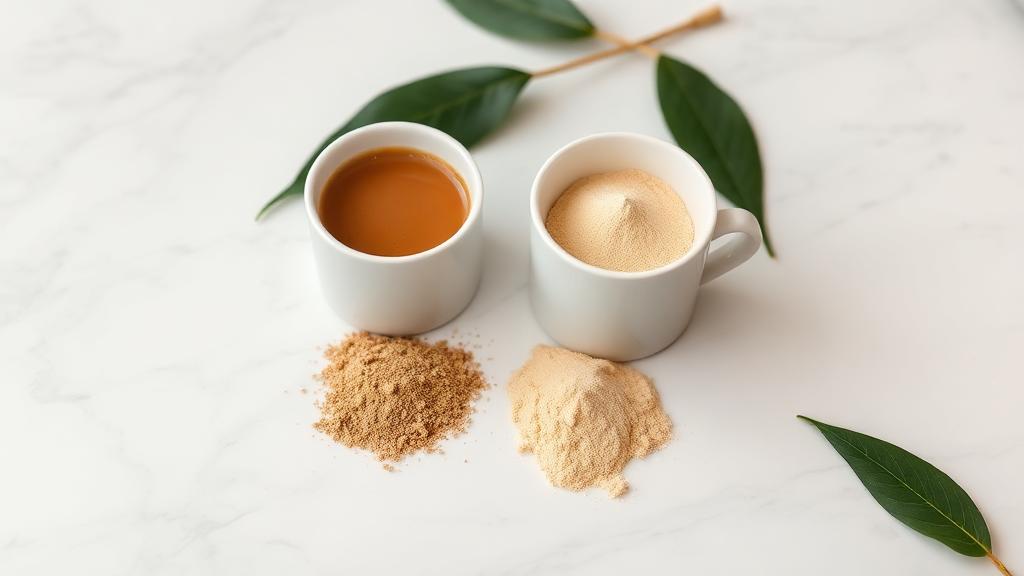
Kratom vs Matcha
Comparing kratom and matcha as botanical products.
Disclaimer: This content is educational only — not medical or legal advice. Always speak with a qualified healthcare professional before using kratom or any herbal product. Laws may vary by jurisdiction.
Key Takeaways
- This content is educational — not medical advice
- Individual experiences with kratom vary
- Laws and regulations may vary by region
Kratom and matcha, both celebrated for their unique properties and potential benefits, are increasingly popular choices for those seeking natural alternatives to traditional beverages. While they share some similarities as botanical products consumed as drinks, their origins, chemical compositions, effects, and cultural contexts are vastly different. This article will delve into a comprehensive comparison of kratom vs matcha, exploring their distinct characteristics to help you understand which, if either, might be a better fit for your needs. For Canadian consumers interested in exploring natural options, understanding the nuances of each is key.
Kratom and Matcha: An Introduction
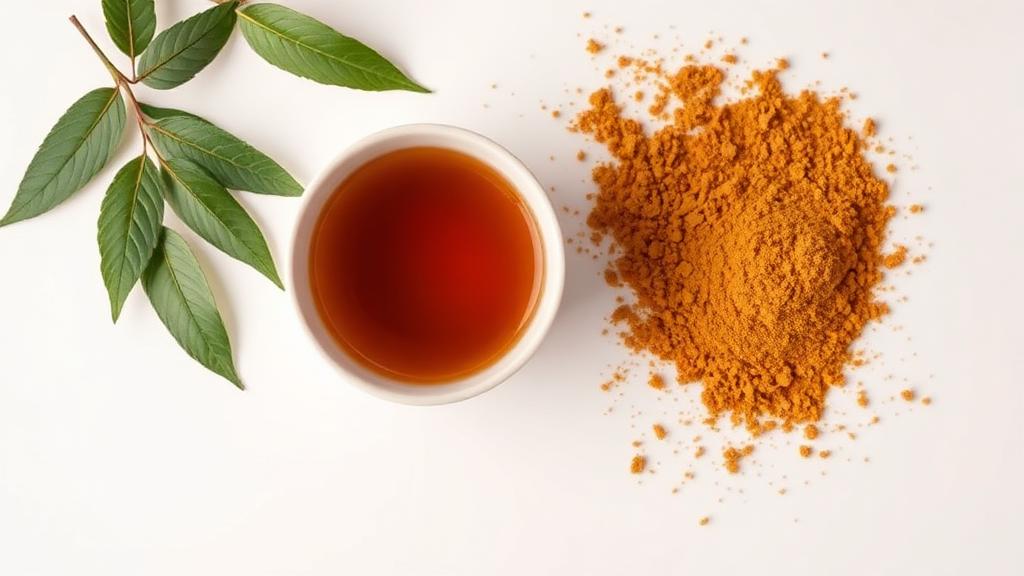
Kratom, scientifically known as Mitragyna speciosa, is a tropical tree native to Southeast Asia. For centuries, the leaves have been used in traditional medicine and social settings in countries like Thailand, Malaysia, and Indonesia. The leaves are typically chewed, brewed into tea, or processed into a powder for various methods of consumption. The effects of kratom are reportedly varied, ranging from stimulating at lower doses to sedative at higher doses. Kratom contains alkaloids, most notably mitragynine and 7-hydroxymitragynine, which are believed to interact with opioid receptors in the brain, producing these effects.
Matcha, on the other hand, is a finely ground powder made from specially grown and processed green tea leaves. Originating in Japan, matcha is deeply rooted in Japanese tea ceremonies and is revered for its vibrant green colour, rich flavour, and potential health benefits. Unlike regular green tea, where the leaves are steeped and then discarded, with matcha, you consume the entire leaf, providing a more concentrated dose of nutrients and antioxidants. Matcha is rich in antioxidants, vitamins, and minerals, and is known for its relatively high caffeine content and the presence of L-theanine, an amino acid that promotes relaxation without drowsiness.
Kratom vs Matcha: Origins and Processing
The origins and processing methods of kratom and matcha are significantly different, contributing to their unique properties.
Kratom's journey begins in the humid rainforests of Southeast Asia. The Mitragyna speciosa tree thrives in this environment, and the leaves are harvested based on their maturity and vein colour, which reportedly influence the effects. Different strains, such as Maeng Da, Bali, and Malay, are known for their varying alkaloid profiles and effects. After harvesting, the leaves are typically dried, either indoors or outdoors, and then ground into a fine kratom powder. The drying process can also influence the final colour and alkaloid content of the powder.
Matcha's story is deeply intertwined with Japanese tea culture. The green tea leaves destined for matcha are grown in shade for several weeks before harvest. This shading process increases chlorophyll production, giving the leaves their vibrant green colour and enhancing their amino acid content. After harvesting, the leaves are steamed to prevent oxidation, then dried and de-stemmed. The resulting leaves, known as tencha, are then stone-ground into a fine matcha powder. The slow, careful grinding process is crucial for preserving the quality and flavour of the matcha. This is often part of traditional tea ceremonies.
Kratom vs Matcha: Chemical Composition
Understanding the chemical composition of kratom and matcha is essential for appreciating their distinct effects.
As mentioned earlier, kratom contains alkaloids, with mitragynine and 7-hydroxymitragynine being the most prominent. These alkaloids are believed to interact with various receptors in the brain, including opioid receptors, which can influence pain perception, mood, and energy levels. The concentration of these alkaloids can vary depending on the strain, growing conditions, and processing methods.
Matcha, on the other hand, is packed with antioxidants, particularly catechins, including epigallocatechin gallate (EGCG). EGCG is a potent antioxidant that has been linked to various health benefits. Matcha also contains caffeine, providing an energy boost, and L-theanine, an amino acid that promotes relaxation and focus. The combination of caffeine and L-theanine in matcha is often credited with providing a sustained and balanced energy boost without the jitters or crash associated with coffee. Theanine also contributes to the umami flavour of matcha.
Kratom vs: Effects and Uses
The reported effects and traditional uses of kratom and matcha differ significantly.
Some users say kratom is used for a variety of reasons, including pain relief, energy enhancement, mood elevation, and anxiety reduction. At lower doses, it is reportedly stimulating, increasing energy and focus. At higher doses, it is said to have a more sedative effect, promoting relaxation and pain relief. It is important to note that the effects of kratom can vary depending on the individual, the dosage, and the strain.
Matcha is primarily used as a beverage, enjoyed for its unique flavour and potential health benefits. It is often consumed as a tea, either hot or cold, and can also be added to lattes, smoothies, and other recipes. The caffeine in matcha provides an energy boost, while the L-theanine promotes relaxation and focus. Matcha is also valued for its antioxidant content, which may contribute to overall health and well-being.
Differences Between Kratom and Matcha: Taste and Preparation
The taste and preparation methods of kratom and matcha are quite different.
Kratom is often described as having an earthy, bitter taste. The taste can vary depending on the strain and quality of the powder. Some people find the taste unpleasant and prefer to mix kratom powder with other beverages, such as juice or smoothies, to mask the flavour. Kratom can be prepared as a tea by steeping the powder in hot water, or it can be consumed by simply mixing the powder with water and drinking it quickly. Another popular method of consumption is through kratom capsules.
Matcha has a unique flavour profile that is often described as vegetal, slightly sweet, and umami. High-quality matcha should have a vibrant green colour and a smooth, creamy texture. The preparation of matcha typically involves whisking the matcha powder with hot water using a bamboo whisk (chasen) to create a frothy beverage. The traditional preparation method is a key part of the Japanese tea ceremony.
Kratom and Matcha Together? Exploring Potential Combinations
While kratom and matcha are typically consumed separately, some individuals have experimented with mixing them. The potential effects of combining kratom and matcha are largely anecdotal and haven't been scientifically studied. Some users report that the combination provides a balanced energy boost with enhanced focus and relaxation. The caffeine in matcha may complement the stimulating effects of kratom, while the L-theanine may help to mitigate any potential anxiety or jitters. However, it's crucial to approach this combination with caution, starting with very small amounts of each substance to assess your individual tolerance and response. Always prioritize safety and be mindful of potential interactions or adverse effects.
Kratom Legal Status in Canada
It's crucial to understand the legal landscape of kratom in Canada. As of the current date, kratom is not explicitly legal or illegal at the federal level. Its legal status varies depending on provincial and municipal regulations. Some provinces may have restrictions on the sale or possession of kratom, while others may not have any specific laws in place. It's essential to research the local laws and regulations in your area before attempting to buy or use kratom.
Matcha, on the other hand, is widely available and legal throughout Canada. It is sold in grocery stores, health food stores, and online retailers. There are no restrictions on the sale or consumption of matcha in Canada.
Kratom or Matcha: Which is Right for You?
Deciding between kratom or matcha depends on your individual needs, preferences, and health considerations.
If you are looking for a natural substance with potential pain-relieving, energy-boosting, or mood-enhancing effects, kratom might be an option to explore, but only after careful research and consideration of its legal status and potential risks. It is crucial to consult with a healthcare professional before using kratom, especially if you have any underlying health conditions or are taking any medications.
If you are looking for a beverage with a moderate caffeine content, a rich source of antioxidants, and potential health benefits, matcha might be a better choice. Matcha is a well-studied and widely available beverage that is generally considered safe for consumption. The health benefits of matcha include improved focus, increased energy, and protection against oxidative stress.
Health Benefits: Kratom vs. Matcha
Both kratom and matcha are purported to offer various health benefits, although the scientific evidence supporting these claims varies.
Reportedly, some users use kratom for pain relief, mood enhancement, and energy boost. Some preliminary research suggests that kratom alkaloids may have analgesic and anti-inflammatory properties. However, more research is needed to confirm these findings and to fully understand the potential risks and benefits of kratom use.
Matcha is well-known for its antioxidant content, particularly EGCG. Antioxidants help protect the body against damage from free radicals, which can contribute to chronic diseases. Studies have shown that matcha may improve heart health, boost brain function, and even aid in weight loss. Matcha is also a good source of vitamins and minerals, including vitamin C, vitamin A, iron, and potassium.
Mix Kratom and Matcha: Considerations and Cautions
While some individuals may be tempted to mix kratom and matcha, it's essential to approach this combination with caution. The potential interactions between kratom and matcha are not well-studied, and there is a risk of unexpected or adverse effects.
The caffeine in matcha may amplify the stimulating effects of kratom, potentially leading to anxiety, jitters, or insomnia. The alkaloids in kratom may also interact with the caffeine in matcha, altering its absorption or metabolism.
If you are considering mixing kratom and matcha, it's crucial to start with very small amounts of each substance to assess your individual tolerance and response. It's also important to be aware of the potential risks and to consult with a healthcare professional before trying this combination.
Kratom Contains Alkaloids: Understanding the Significance
The presence of alkaloids in kratom is what gives it its unique properties and potential effects. Alkaloids are naturally occurring compounds that can have a variety of pharmacological effects on the body.
The two primary alkaloids in kratom are mitragynine and 7-hydroxymitragynine. These alkaloids are believed to interact with opioid receptors in the brain, producing analgesic, mood-enhancing, and energy-boosting effects.
The concentration of these alkaloids can vary depending on the strain of kratom, the growing conditions, and the processing methods. It's important to be aware of the alkaloid content of the kratom product you are using, as this can influence its effects.
Matcha is Rich in Antioxidants: Exploring the Benefits
Matcha is renowned for its high antioxidant content, particularly catechins, including EGCG. Antioxidants are compounds that help protect the body against damage from free radicals.
Free radicals are unstable molecules that can damage cells and contribute to chronic diseases, such as heart disease, cancer, and Alzheimer's disease. Antioxidants neutralize free radicals, preventing them from causing damage.
The EGCG in matcha has been linked to a variety of health benefits, including improved heart health, boosted brain function, and reduced risk of cancer. Matcha is also a good source of other antioxidants, such as vitamins C and E.
Frequently Asked Questions
Here are some frequently asked questions about kratom and matcha:
Q: Is matcha the same as kratom? A: No, matcha and kratom are completely different substances. Matcha is a powdered form of green tea, while kratom is a tropical tree native to Southeast Asia. They have different origins, chemical compositions, and effects.
Q: Is kratom similar to green tea? A: While both kratom and green tea are botanical products, they are not similar in terms of their chemical composition or effects. Green tea contains caffeine and antioxidants, while kratom contains alkaloids that interact with opioid receptors in the brain.
Q: Is kratom healthy or unhealthy? A: The health effects of kratom are a subject of ongoing research. Some studies suggest that kratom may have potential benefits, such as pain relief and mood enhancement. However, kratom can also cause side effects, and its long-term health effects are not well-known. It's essential to consult with a healthcare professional before using kratom.
Q: Which is better than matcha, kratom vs matcha? A: There is no "better" option between kratom and matcha. They are different substances with different effects and uses. The choice depends on your individual needs, preferences, and health considerations. Matcha is a good choice for those seeking a caffeinated beverage with antioxidant benefits, while kratom may be considered (with caution and legal awareness) by some for its potential pain-relieving or mood-enhancing effects.
Q: Can you mix kratom and matcha? A: Some individuals reportedly mix kratom and matcha. However, it's essential to approach this combination with caution, as the potential interactions between kratom and matcha are not well-studied. Start with very small amounts of each substance to assess your individual tolerance and response.
Summary
Kratom and matcha are two distinct botanical products with unique properties and potential benefits. Kratom, derived from the Mitragyna speciosa tree, contains alkaloids that may interact with opioid receptors in the brain, reportedly producing analgesic, mood-enhancing, and energy-boosting effects. Matcha, a powdered form of green tea, is rich in antioxidants and provides a sustained energy boost due to its caffeine and L-theanine content. While both substances have their potential benefits, it's crucial to be aware of their differences, potential risks, and legal status before using them. For Canadian consumers, understanding these nuances is essential for making informed decisions about their health and well-being.
Frequently Asked Questions
Chad Samson
Chad Samson is a Canadian writer who covers the kratom marketplace in Canada — tracking vendors, current pricing, published lab testing, and Health Canada policy. He maintains the vendor comparison data on this site and reviews every guide before it's published.
Reviewed for clarity and educational accuracy.
Get New Kratom Guides & Safety Updates
Join readers who stay informed with our educational content. No spam — just clear, cautious kratom education.
Free Kratom Beginner Checklist included with signup.