Kratom Crushed Leaf vs Powder
Comparing crushed leaf and powder forms of kratom.
Disclaimer: This content is educational only — not medical or legal advice. Always speak with a qualified healthcare professional before using kratom or any herbal product. Laws may vary by jurisdiction.
Key Takeaways
- This content is educational — not medical advice
- Individual experiences with kratom vary
- Laws and regulations may vary by region
Kratom, derived from the Mitragyna speciosa tree native to Southeast Asia, has gained considerable attention in Canada and worldwide. Understanding the nuances between different forms of kratom is crucial for making informed choices. Two of the most common forms available are kratom crushed leaf and kratom powder. This article will explore the differences between these two forms, helping you determine which might be the better option for your needs.

What is Kratom Crushed Leaf?
Crushed leaf kratom, as the name suggests, consists of dried kratom leaves that have been coarsely crushed. This form is less processed than kratom powder and retains more of the plant's natural texture. The process involves harvesting mature leaves from the Mitragyna speciosa plant, drying them, and then crushing them into smaller, but still recognizable, pieces.
Characteristics of Crushed Leaf
* Texture: Crushed leaf has a coarser texture compared to the fine consistency of kratom powder. * Appearance: It appears as small, fragmented pieces of dried leaves, often with visible veins and stems. * Processing: It undergoes minimal processing, primarily involving drying and crushing. * Usage: Primarily used for brewing kratom tea, but can also be consumed directly, though this is less common.
What is Kratom Powder?
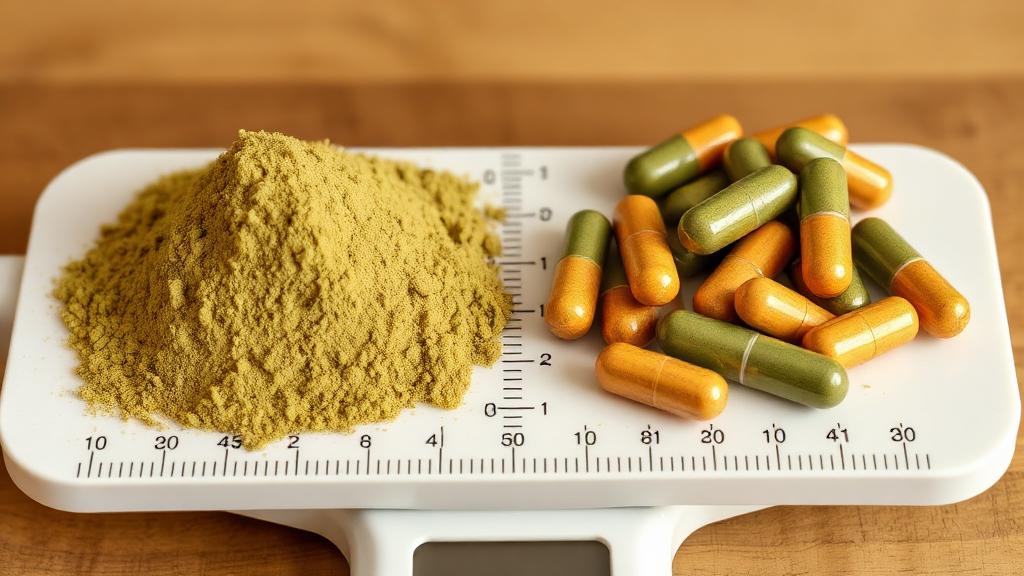
Kratom powder is created by grinding dried kratom leaves into a fine, consistent powder. This form is more processed than crushed leaf and offers a different set of characteristics. The manufacturing process involves the same initial steps of harvesting and drying the leaves, but then the dried leaves are finely ground using specialized equipment.
Characteristics of Kratom Powder
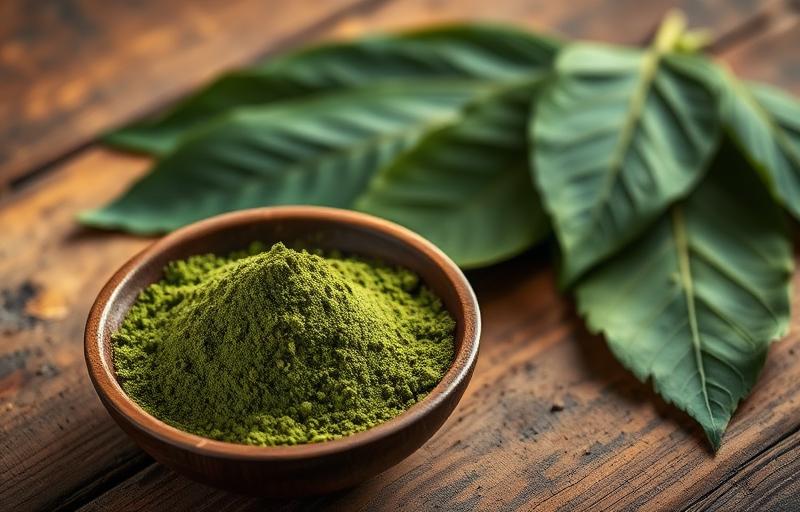
* Texture: Kratom powder has a very fine, almost flour-like texture. * Appearance: It appears as a homogenous powder, typically green or brownish in color, depending on the strain and drying process. * Processing: It undergoes more processing than crushed leaf, including fine grinding. * Usage: Highly versatile; can be used to make kratom tea, mixed into drinks, encapsulated, or taken directly using the "toss and wash" method.
Crushed Leaf vs Powder: A Detailed Comparison
Understanding the key differences between kratom crushed leaf vs powder is essential for making an informed decision. Here’s a detailed comparison across several important factors.
Processing and Production
The primary distinction lies in the level of processing. Crushed leaf undergoes minimal processing, preserving more of the original plant material. In contrast, kratom powder requires additional grinding to achieve its fine consistency. This difference in processing can affect the final product's characteristics and how it interacts with the body.
Alkaloid Content and Potency
Some users believe that crushed leaf may retain a broader spectrum of alkaloids due to less processing. Alkaloids like mitragynine are thought to contribute to kratom's effects. However, the potency can vary between batches of both crushed leaf and powder, depending on the quality of the leaves and the drying process. It’s challenging to definitively say that one form consistently has a higher alkaloid content than the other. Both forms can be potent depending on the source and strain.
Taste and Texture
The taste and texture differ significantly. Crushed leaf has a more plant-like, earthy taste and a coarser texture. Kratom powder, while still having an earthy taste, has a much finer texture, making it easier to mix into drinks. The taste of both forms can be quite bitter, which is a common reason why some users prefer kratom capsules or masking the flavor in kratom tea with other ingredients.
Ease of Use
Kratom powder is generally considered more versatile and easier to use. It can be easily mixed into beverages, encapsulated, or taken using the toss and wash method (placing the powder directly in the mouth and washing it down with water). Crushed leaf is primarily used for brewing kratom tea, which requires a steeping process. While some users might consume crushed leaf directly, it's less common due to the texture.
Brewing Kratom Tea
Both crushed leaf and kratom powder can be used to brew kratom tea, but the process differs slightly.
#### Crushed Leaf Tea
To brew kratom tea with crushed leaf, you typically steep the crushed leaves in hot water for 10-20 minutes. Some people add lemon juice or other acidic ingredients to help extract the alkaloids. After steeping, the liquid is strained to remove the leaf material.
#### Powdered Kratom Tea
When using kratom powder, the powder can be directly mixed into hot water. While straining isn't strictly necessary, some users prefer to strain the mixture to remove any remaining sediment. The powder tends to dissolve more readily than crushed leaf, resulting in a smoother tea.
Consumption Methods
Kratom powder offers a wider range of consumption methods compared to crushed leaf.
* Toss and Wash: This involves placing a measured amount of kratom powder in your mouth and washing it down with water or another beverage. * Mixing with Beverages: Kratom powder can be easily mixed into smoothies, juices, or other drinks to mask the taste. * Encapsulation: Kratom powder can be filled into capsules for convenient and discreet consumption. Learn more about kratom capsules. * Kratom Tea: As mentioned earlier, kratom powder can be used to brew kratom tea.
Crushed leaf is primarily limited to brewing kratom tea, although some users might chew on the leaves or consume them directly in small quantities.
Availability and Cost
Both crushed leaf and kratom powder are widely available from online vendors and some specialty stores in Canada, where kratom is legal. The cost can vary depending on the vendor, strain, and quantity purchased. Generally, kratom powder tends to be slightly more affordable due to the more efficient processing methods. However, prices can fluctuate, so it's essential to compare prices from different sources.
Shelf Life and Storage
Both forms of kratom should be stored in a cool, dry place away from direct sunlight and moisture to maintain their potency and prevent degradation. When stored properly, both crushed leaf and kratom powder can have a shelf life of several months to a year. Airtight containers are recommended to prevent exposure to air and humidity.
Advantages and Disadvantages
Here's a summary of the advantages and disadvantages of each form:
Crushed Leaf
#### Advantages:
* Less processed, potentially retaining a broader spectrum of alkaloids. * More natural, plant-like experience. * Traditional method for brewing kratom tea.
#### Disadvantages:
* Less versatile in terms of consumption methods. * Coarser texture may be less appealing to some users. * Steeping and straining are required for tea preparation.
Kratom Powder
#### Advantages:
* Highly versatile and easy to use. * Can be mixed into beverages, encapsulated, or taken directly. * Finer texture is generally more palatable. * More readily available and often more affordable.
#### Disadvantages:
* More processed, potentially losing some of the original plant's characteristics. * Can be messy if not handled carefully. * Taste can be strong and may require masking.
Choosing Between Kratom Powder vs Crushed Leaf
Choosing between choosing between kratom powder and crushed leaf depends on your individual preferences, consumption habits, and desired experience.
Consider Crushed Leaf If:
* You prefer a more natural, less processed product. * You primarily want to brew kratom tea. * You enjoy the traditional methods of kratom consumption.
Consider Kratom Powder If:
* You want a versatile product that can be used in various ways. * You prefer a finer texture and easier mixing. * You want the option of toss and wash, encapsulation, or mixing with beverages.
Factors to Consider
* Desired Effects: While both forms can provide similar effects, some users reportedly find slight differences in the overall experience. Experimentation may be necessary to determine which form works best for you. * Personal Preferences: Taste, texture, and ease of use are all important factors to consider. * Consumption Method: How you plan to consume kratom will influence your choice. If you only want to make tea, crushed leaf is a suitable option. If you want more flexibility, kratom powder is the better choice. * Potency: Start with a low dose, regardless of the form you choose, and gradually increase it until you achieve the desired effects. Potency can vary between batches, so it's essential to exercise caution.
Other Forms of Kratom
Besides crushed leaf and kratom powder, other forms of kratom are available in the Canadian market. These include:
* Kratom Extract: Kratom extract is a concentrated form of kratom made by extracting the alkaloids from the leaves. Kratom extract is significantly more potent than crushed leaf or kratom powder. * Kratom Capsules: Kratom capsules contain kratom powder in a convenient, pre-measured dose. They are a popular option for those who want to avoid the taste of kratom. * Kratom Tinctures: Kratom tinctures are liquid extracts of kratom, typically dissolved in alcohol or another solvent. They are administered sublingually (under the tongue) for rapid absorption.
When considering different forms of kratom, it's crucial to research reputable vendors and prioritize product quality and safety. Always start with a low dose and gradually increase it as needed.
Kratom Strains
Regardless of whether you choose crushed leaf or kratom powder, the strain of kratom also plays a significant role in the effects you experience. Different kratom strains have different alkaloid profiles, which can lead to varying effects. Some common kratom strains include:
* Maeng Da: Known for its stimulating and energizing effects. * Bali: Often used for its relaxing and pain-relieving properties. * Borneo: Similar to Bali, known for its calming and analgesic effects. * Thai: Can be either stimulating or relaxing, depending on the vein color (red, green, or white). * Malay: Generally considered to be a balanced strain, providing both energy and relaxation.
Experimenting with different strains can help you find the one that best suits your needs.
Kratom and Canadian Law
It's important to be aware of the legal status of kratom in Canada. As of the current date, kratom is not explicitly illegal at the federal level in Canada. However, its legal status can vary by province and municipality. It is essential to check local laws and regulations before purchasing or using kratom. Our Canadian legality guide covers where kratom currently stands under Canadian law.
Potential Side Effects and Risks
While kratom is reportedly used by many for its potential benefits, it's essential to be aware of the potential side effects and risks. Some common side effects include:
* Nausea * Constipation * Dizziness * Drowsiness * Dry mouth
In rare cases, more serious side effects can occur. It's crucial to use kratom responsibly and to consult with a healthcare professional if you have any concerns. It is also important to note that kratom can interact with certain medications.
Frequently Asked Questions
What's the most powerful form of kratom?
Kratom extract is generally considered the most powerful form of kratom due to its concentrated alkaloid content. It is significantly more potent than kratom powder or crushed leaf.
Is kratom extract stronger than powder?
Yes, kratom extract is stronger than kratom powder. The extraction process concentrates the alkaloids, resulting in a more potent product.
What drugs should you not mix with kratom?
It is generally advised not to mix kratom with opioids, benzodiazepines, alcohol, or other central nervous system depressants, as this can increase the risk of adverse effects. Always consult with a healthcare professional before combining kratom with any medications or substances.
What is the most sedating kratom strain?
Red vein kratom strains, such as Red Bali or Red Borneo, are often reported to be the most sedating. However, individual responses can vary.
Will kratom crushed leaf vs powdery mildew impact quality?
The question "will kratom crushed leaf vs powdery mildew" is nonsensical. Powdery mildew is a fungal disease that affects plants, including Mitragyna speciosa. If kratom leaves are affected by powdery mildew, it would negatively impact the quality and safety of the product, regardless of whether it is crushed leaf or powder. Reputable vendors should ensure their kratom products are free from contaminants like powdery mildew.
Should kratom crushed leaf vs powder blue be considered?
"Kratom crushed leaf vs powder blue" is not a standard comparison. "Blue" typically refers to the vein color of the kratom leaf, which can indicate different alkaloid profiles. However, vein color is a factor regardless of whether you choose crushed leaf or powder. Focus on the strain and vendor reputation rather than "blue" specifically.
Conclusion
Choosing between kratom crushed leaf and kratom powder depends on your individual preferences, consumption habits, and desired experience. Crushed leaf offers a more natural, less processed option, while kratom powder provides greater versatility and ease of use. Understanding the differences between these two forms, as well as other kratom products like extracts and capsules, can help you make an informed decision. Remember to purchase kratom from reputable vendors, start with a low dose, and be aware of the potential side effects and risks. Always consult with a healthcare professional if you have any concerns. Explore different kratom strains.
Summary
This article provides a comprehensive comparison of kratom crushed leaf vs powder for Canadian readers. It details the characteristics, advantages, and disadvantages of each form, including processing methods, alkaloid content, taste, ease of use, and brewing methods. It also touches on other forms of kratom, kratom strains, legal considerations in Canada, and potential side effects. The article aims to equip readers with the knowledge to make informed choices about which kratom form best suits their needs.
More questions
Chad Samson is a Canadian writer who covers the kratom marketplace in Canada — tracking vendors, current pricing, published lab testing, and Health Canada policy. He maintains the vendor comparison data on this site and reviews every guide before it's published.
Written and reviewed against our editorial policy.
Get New Kratom Guides & Safety Updates
Join readers who stay informed with our educational content. No spam — just clear, cautious kratom education.
Free Kratom Beginner Checklist included with signup.