Kratom Age Restrictions: What You Should Know
Understanding age restrictions on kratom purchases across different jurisdictions.
Disclaimer: This content is educational only — not medical or legal advice. Always speak with a qualified healthcare professional before using kratom or any herbal product. Laws may vary by jurisdiction.
Key Takeaways
- This content is educational — not medical advice
- Individual experiences with kratom vary
- Laws and regulations may vary by region
Kratom Age Restrictions: What You Should Know addresses the regulatory and legal landscape surrounding kratom. Understanding the legal context is essential for anyone researching kratom, as regulations affect availability, marketing, and the information landscape.
The Regulatory Landscape
Kratom's legal status varies significantly worldwide. Unlike many substances, kratom occupies a regulatory gray area in many jurisdictions — not explicitly banned, but not formally approved either. This ambiguity creates a complex environment for consumers, vendors, researchers, and policymakers.
Understanding kratom age restrictions: what you should know requires recognizing that:
- Regulations change — Legal status can shift as new research emerges or political priorities evolve
- Jurisdictions differ — What applies in one country, state, or province may not apply in another
- Enforcement varies — Even where regulations exist, enforcement practices may differ
- Interpretation matters — Regulatory language can be ambiguous, and different authorities may interpret it differently
- Multiple levels apply — National, provincial/state, and municipal regulations may all be relevant
Kratom's Legal Status in Canada
For Canadian readers, understanding kratom's specific legal position is crucial:
What is true:
- Kratom is not listed as a controlled substance under the Controlled Drugs and Substances Act (CDSA)
- Kratom is not approved as a natural health product (NHP) or therapeutic substance by Health Canada
- Health Canada has issued advisories warning consumers about potential risks of kratom products
- Kratom cannot be legally marketed with health claims in Canada
- Possession of kratom for personal use is not illegal
What this means practically:
- Kratom is available for purchase from Canadian online vendors
- Vendors must be careful about health claims — they cannot state or imply that kratom treats, prevents, or cures any condition
- Products may be labelled as "not for human consumption" or "botanical specimen" to navigate regulatory ambiguity
- Health Canada can take enforcement action against products making unauthorized health claims
- Import of kratom is generally permitted, though shipments may be inspected by Canada Border Services Agency (CBSA)
Global Regulatory Overview
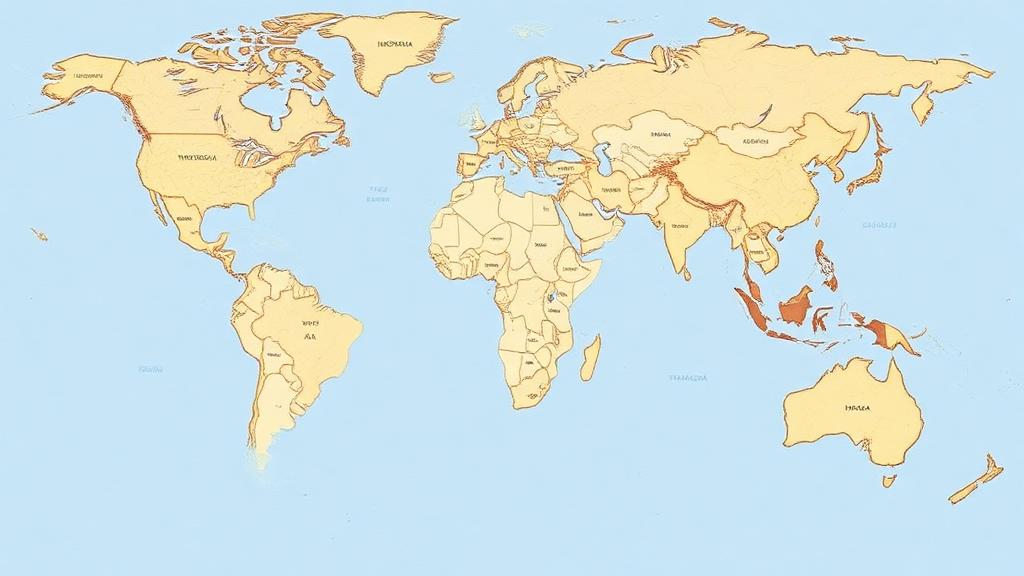
The international kratom regulatory landscape is diverse and evolving:
Countries Where Kratom Is Banned or Controlled - Australia — Listed as a controlled substance nationally - Several EU countries — Denmark, Finland, Latvia, Lithuania, Poland, Romania, Sweden have restrictions - Thailand — Historically banned (1943), decriminalized in 2021, now regulated for commercial production - Malaysia — Banned under the Poisons Act, though traditional use continues in some regions - Myanmar — Controlled substance
Countries With Limited or No Specific Regulation - Canada — Not controlled, not approved (described above) - United States — Legal federally, but banned or regulated in several states and municipalities - United Kingdom — Not specifically controlled, though the Psychoactive Substances Act creates some ambiguity - Indonesia — Major producer; regulations have been evolving, with discussions about potential export restrictions
The US State-by-State Situation The American regulatory landscape is particularly complex: - Kratom is legal at the federal level - Several states have banned kratom (Alabama, Arkansas, Indiana, Rhode Island, Vermont, Wisconsin) - Some states have passed the Kratom Consumer Protection Act (KCPA), which regulates rather than bans kratom - Municipal regulations add another layer of complexity
For detailed US information, see our Kratom Legality in the United States guide.
Why Regulations Change
Several factors drive changes in kratom regulation:
- New research findings — As the scientific evidence base grows, regulatory positions may shift. Positive research could lead to regulated access; negative findings could lead to restrictions
- Public health concerns — Reports of adverse events can trigger regulatory review. Cases involving kratom (sometimes in combination with other substances) have prompted action in several jurisdictions
- Advocacy efforts — Both pro-regulation and pro-access advocacy groups actively influence policy. Organizations like the American Kratom Association (AKA) lobby for regulated access rather than prohibition
- International trends — Regulatory decisions in one country can influence others. The WHO's Expert Committee on Drug Dependence has reviewed kratom multiple times
- Political considerations — Drug policy is often influenced by broader political dynamics, public perception, and media coverage
- Economic factors — In producing countries like Indonesia, kratom represents significant economic value, influencing domestic policy decisions
The Kratom Consumer Protection Act (KCPA)
The KCPA represents an alternative regulatory approach to outright banning:
- Purpose: Regulate kratom products rather than prohibit them
- Key provisions: Age restrictions (21+), product labelling requirements, purity standards, ban on adulterated products
- Adopted in: Several US states (Arizona, Georgia, Nevada, Oklahoma, Oregon, Utah, and others)
- Relevance to Canada: While the KCPA is American legislation, it provides a model for how kratom could potentially be regulated in other jurisdictions
Travel Considerations
For anyone who travels with kratom, legal considerations are critical:
- Domestic travel (within Canada) — Generally not problematic, as kratom is not controlled. However, carrying large quantities could attract attention
- Canada-US border — While kratom is legal in both countries at the federal level, state-level bans in the US create risk. Carrying kratom into a state where it's banned could result in legal consequences
- International travel — Check the legal status of kratom in every country you'll visit or transit through. Carrying kratom into a country where it's controlled could result in serious legal consequences
- Documentation — Some travellers carry documentation showing their kratom was legally purchased, though this provides no legal protection where kratom is prohibited
For more on this topic, see our Kratom Border and Travel Considerations guide.
Practical Implications
For anyone researching kratom age restrictions: what you should know, several practical points apply:
- Always verify current status — Regulations can change; don't rely on outdated information. Check government websites directly
- Check local and national rules — Municipal, provincial/state, and national regulations may all apply
- Understand marketing restrictions — Even where kratom is available, how it can be marketed is often restricted
- Consider travel implications — Carrying kratom across borders can have legal consequences if regulations differ between jurisdictions
- Document your purchases — Keep receipts and lab results from your vendor as a best practice
Staying Informed
To keep up with regulatory developments:
- Monitor Health Canada announcements for Canadian updates (canada.ca)
- Follow reputable kratom education and advocacy organizations
- Check government websites for the most current regulatory language
- Be cautious of vendor-provided legal information, which may be biased or outdated
- Join community forums where regulatory changes are discussed and tracked
Related Guides
- [Is Kratom Legal in Canada?](/blog/is-kratom-legal-in-canada) — Detailed Canadian analysis
- [Kratom Laws by Country](/blog/kratom-laws-by-country) — International overview
- [Why Kratom Rules Change](/blog/why-kratom-rules-change) — Understanding regulatory dynamics
- [How to Verify Local Kratom Rules](/blog/how-to-verify-local-rules) — Practical steps for checking regulations
- [Kratom Border and Travel Considerations](/blog/kratom-border-travel-considerations) — Travel-specific legal considerations
Summary
Kratom Age Restrictions: What You Should Know highlights the complex and evolving nature of kratom regulation. In Canada, kratom exists in a regulatory gray area — not controlled but not approved. Globally, the situation is even more varied, with some countries banning kratom outright and others exploring regulated frameworks. Staying informed about current regulations in your area is an essential part of responsible kratom research.
Frequently Asked Questions
Chad Samson
Chad Samson is a Canadian writer who covers the kratom marketplace in Canada — tracking vendors, current pricing, published lab testing, and Health Canada policy. He maintains the vendor comparison data on this site and reviews every guide before it's published.
Reviewed for clarity and educational accuracy.
Get New Kratom Guides & Safety Updates
Join readers who stay informed with our educational content. No spam — just clear, cautious kratom education.
Free Kratom Beginner Checklist included with signup.